








What's Happening?
The Ministry of Agriculture in Indonesia has announced plans to increase the budget for agricultural development in Papua. This initiative aims to accelerate the development of priority commodities, enhance farmers' welfare, and strengthen national food
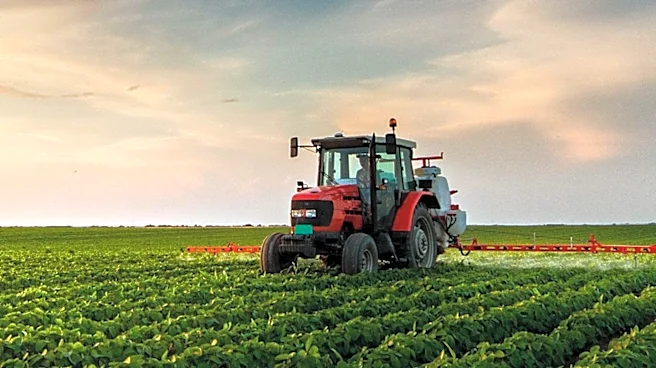
self-sufficiency. Agriculture Minister Andi Amran Sulaiman stated that while the welfare of the Papuan people has improved, additional support is necessary. The government had previously allocated Rp1.3 trillion (approximately US$69.9 million) for agricultural assistance in South Papua, covering equipment, irrigation, and land development. The new budget will be adjusted to meet the specific needs of different regions, with Highland Papua and Central Papua set to receive 100,000 units of agricultural equipment each. The overall allocation for agricultural development in Papua through 2026 is approximately Rp3.2 trillion (US$172 million). The government aims to collaborate with indigenous communities to drive prosperity and reinforce national food self-sufficiency.
Why It's Important?
The increased budget for agricultural development in Papua is significant as it addresses both economic and social aspects. Economically, it aims to boost the agricultural sector, which is crucial for national food security and self-sufficiency. By providing modern equipment and infrastructure, the initiative seeks to enhance productivity and efficiency in farming practices. Socially, the program is designed to improve the livelihoods of indigenous communities by offering them greater opportunities for economic participation. This could lead to increased prosperity and reduced poverty levels in the region. The initiative also reflects the government's commitment to regional development and equitable resource distribution, which are essential for national cohesion and stability.
What's Next?
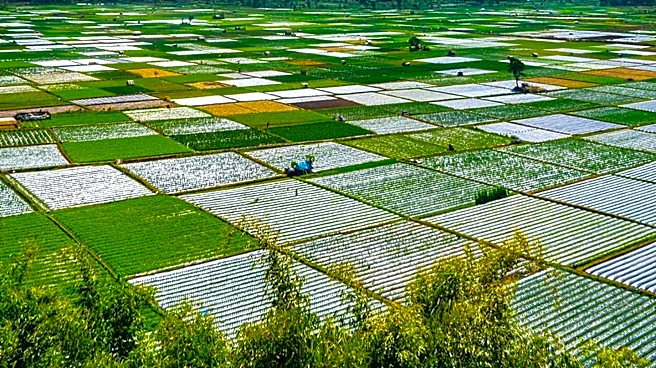
The Ministry of Agriculture plans to begin the development of approximately 250 hectares for rice cultivation in Wanam this year. This includes providing additional tractors, building irrigation networks, and introducing modern agricultural technology. The government will continue to work closely with local leaders and communities to ensure the successful implementation of these projects. The focus will be on creating a sustainable agricultural hub in Papua that can serve as a model for other regions. The success of this initiative could lead to further investments and policy adjustments aimed at enhancing agricultural productivity and rural development across Indonesia.