
What's Happening?
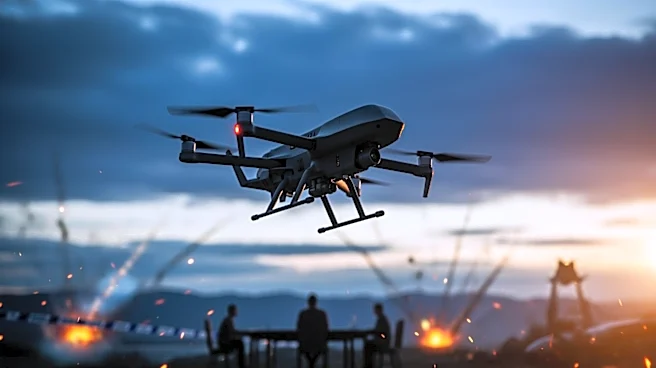
Ukraine has intensified its drone strike campaign against Russian targets, reaching deeper into Russian territory than ever before. This escalation comes as Russia continues its aerial bombardment of Ukraine,
with a record number of drones and missiles launched in March 2026. Ukrainian forces have been targeting key industrial and energy sites in Russia, including refineries and chemical plants, disrupting significant portions of Russia's export capacity. Meanwhile, Russia's aerial attacks on Ukraine have resulted in civilian casualties and infrastructure damage, with Ukrainian air defenses intercepting a high percentage of incoming threats.
Why It's Important?
The ongoing drone warfare between Ukraine and Russia highlights the evolving nature of modern conflicts, where unmanned systems play a crucial role. Ukraine's ability to strike deep into Russian territory demonstrates its growing military capabilities and strategic reach. This conflict has significant implications for global energy markets, as disruptions in Russian oil exports could affect global oil prices. Additionally, the high interception rate of Ukrainian air defenses showcases the effectiveness of their military technology, potentially influencing future defense strategies and alliances.
What's Next?
As the conflict continues, both Ukraine and Russia are likely to adapt their strategies. Ukraine may further develop its drone capabilities, potentially expanding its reach and impact. Russia, on the other hand, might shift its focus to targeting Ukrainian infrastructure critical to civilian and military operations. The international community will be closely monitoring these developments, as they could lead to broader geopolitical shifts and impact global security dynamics.
Beyond the Headlines
The use of drones in this conflict raises ethical and legal questions about the conduct of warfare and the protection of civilian populations. The reliance on unmanned systems could lead to a reevaluation of international laws governing armed conflict. Additionally, the technological advancements seen in this conflict may spur further innovation in military technology, influencing future conflicts and defense policies worldwide.