







What's Happening?
The U.S. Department of Energy (DOE) is now operating under new legal constraints regarding its grid emergency powers. A federal appeals court ruling has vacated a DOE order that had delayed the retirement of a Michigan coal plant and has significantly
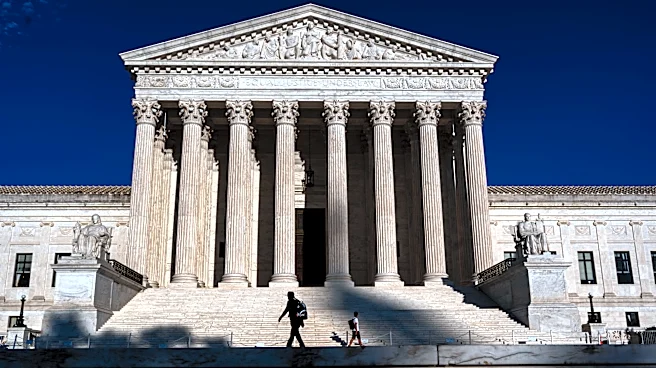
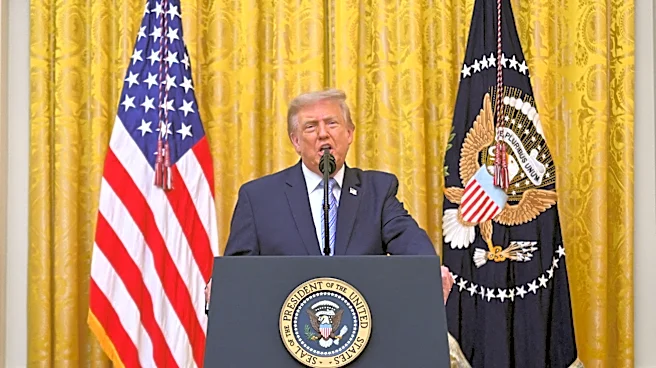
limited the department's authority under Section 202(c) of the Federal Power Act. This section, which dates back to 1935, grants the Secretary of Energy broad discretion to mandate temporary changes to electricity generation, transmission, or delivery during an emergency. However, the U.S. Court of Appeals for the D.C. Circuit ruled that Section 202(c) restricts the DOE to addressing "a grid-reliability risk that calls for an immediate response by DOE in particular," concluding that planned power plant retirements do not meet this criterion. This decision follows the Trump administration's use of this authority to delay power plant retirements in several states, often without requests from relevant grid operators.
Why It's Important?
This court ruling significantly impacts the DOE's ability to intervene in grid operations, particularly concerning the retirement of power plants. By narrowing the definition of an "emergency" under Section 202(c), the decision limits the federal government's discretion and emphasizes the role of immediate, unforeseen threats to grid reliability. This could have profound implications for energy policy, as it shifts more responsibility for long-term planning and resource adequacy back to utility companies and grid operators, rather than allowing the DOE to unilaterally delay plant retirements. The ruling also highlights a tension between federal oversight and state/local control over energy infrastructure, potentially influencing future legislative efforts to clarify or amend the Federal Power Act. For the energy industry, this means greater predictability in plant retirement schedules but also places a higher burden on regional entities to ensure grid stability without federal emergency intervention for planned events.
What's Next?
In the wake of this appeals court decision, Congress may consider legislative actions to address the scope and duration of the DOE's emergency powers. A Congressional Research Service (CRS) report suggests that Congress could examine the appropriate level of discretion in defining an "emergency" and the extent of interventions allowed under the authority. Pending legislation, such as Senate bill S. 4337 and House bill H.R. 7977, proposes different approaches to limit the DOE's authority, with one bill restricting delays to emergencies that cannot be met otherwise and only upon grid operator request, and another limiting authority to emergencies occurring within a six-month timeframe. These legislative efforts indicate a potential reevaluation of federal energy emergency protocols and could lead to more clearly defined boundaries for DOE intervention, impacting how future grid reliability challenges are addressed.
Beyond the Headlines
The legal limitations placed on the DOE's emergency powers reflect a broader debate about the balance between federal authority and market mechanisms in ensuring energy security. The court's emphasis on "immediate response" for specific grid-reliability risks suggests a judicial preference for market-driven solutions and prudent utility planning over broad federal intervention for anticipated events. This could lead to increased scrutiny of long-term energy planning by utilities and grid operators, potentially accelerating the transition to new energy sources or technologies if existing infrastructure is deemed insufficient without federal life support. Furthermore, the ruling may influence how future administrations interpret and utilize executive powers in critical infrastructure sectors, setting a precedent for judicial review of agency actions that extend beyond narrowly defined emergency contexts. This development underscores the ongoing legal and policy complexities in managing the nation's evolving energy landscape.