






What's Happening?
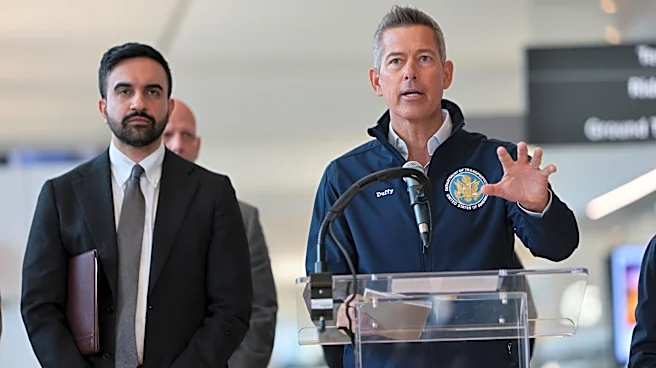
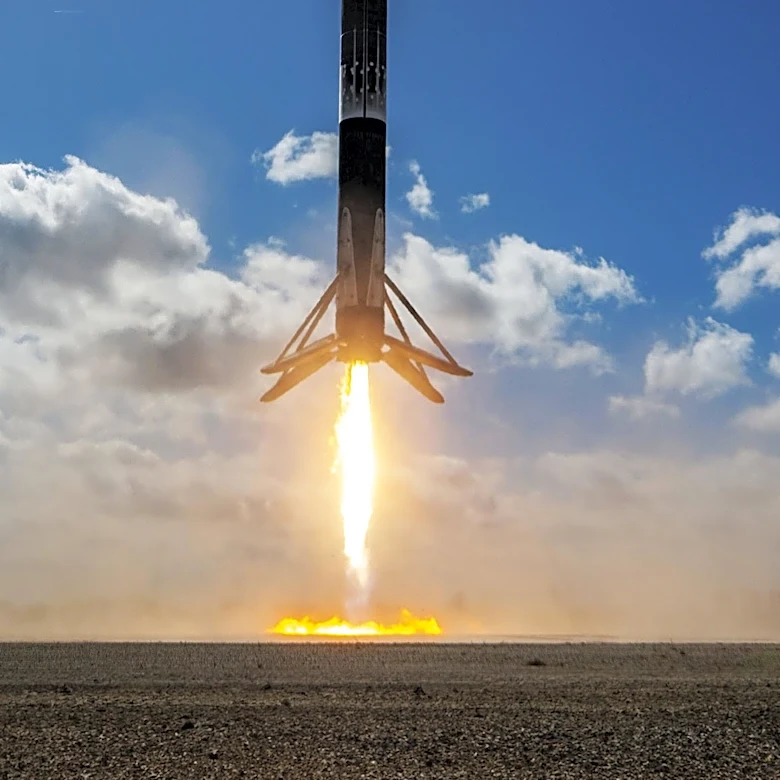
U.S. Transportation Secretary Sean P. Duffy announced four key regulatory actions by the Federal Aviation Administration (FAA) aimed at streamlining commercial space launch and reentry licensing. These actions are part of a broader plan for a major regulatory overhaul
in 2027, designed to reduce regulatory burdens and enhance operational flexibility without compromising safety standards. The FAA also revealed a hiring initiative to expand its Office of Commercial Space Transportation. The specific actions include proposed rules defining when a flight abort is not mandatory, clarifying requirements and thresholds for abort occurrences, and allowing operators to account for vehicle breakup to prevent high-consequence multi-casualty events during random reentry. Additionally, a final rule applies minor technical corrections across commercial space regulations. Secretary Duffy emphasized that these measures are intended to support President Trump's goal of supercharging America's commercial space industry.
Why It's Important?
These regulatory changes are critical for the burgeoning U.S. commercial space industry, which is experiencing rapid innovation and an anticipated increase in launch frequency. By streamlining licensing processes and clarifying safety protocols, the FAA aims to foster a more efficient and competitive environment for space companies. This move is expected to reduce operational costs and accelerate the pace of commercial space activities, potentially solidifying America's dominance in the global space sector. The expansion of the FAA's Office of Commercial Space Transportation workforce, particularly with aerospace engineers, is vital to handle the increased volume of applications and ensure thorough safety analyses. The reforms are designed to balance innovation with safety, addressing concerns about outdated regulations that could hinder progress while maintaining public safety during space operations.
What's Next?
Looking ahead, the FAA plans to initiate a comprehensive overhaul of its licensing framework in 2027. This overhaul is designed to keep pace with the rapid advancements in commercial space technology and support an anticipated cadence of 1,000 launches per year by 2030. The agency is actively expanding its Office of Commercial Space Transportation, hiring an Associate Administrator and a new team of aerospace engineers to conduct safety analysis, evaluations, and mission authorizations. These efforts are intended to accelerate application turnaround times while ensuring public safety. The FAA is also seeking public and industry input on where to build new spaceports and how to create 'priority airspace' for space-launch routes, indicating further developments in infrastructure and operational planning.
Beyond the Headlines
The regulatory reforms in commercial space transportation reflect a broader strategic push by the U.S. government to maintain and enhance its leadership in the space domain. By actively reducing bureaucratic hurdles and investing in specialized personnel, the administration is signaling a commitment to fostering a dynamic and innovative commercial space ecosystem. This approach could lead to significant economic growth, job creation, and technological advancements, not only in space exploration but also in related industries. The emphasis on balancing deregulation with safety standards highlights the complex challenge of governing a rapidly evolving sector. Furthermore, the initiative to identify new spaceport locations and create priority airspace suggests a long-term vision for integrating commercial space operations more seamlessly into national infrastructure and air traffic management.