







What's Happening?
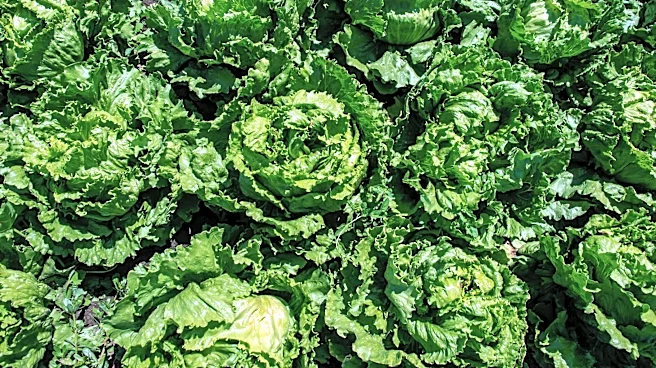
Pennsylvania has become part of a cyclosporiasis outbreak, with 13 cases reported in Philadelphia this year. The outbreak is linked to iceberg lettuce and has expanded to include four more states. Cyclosporiasis is an intestinal illness caused by the
parasite Cyclospora cayetanensis, often spread through contaminated food or water. Symptoms include diarrhea, stomach cramps, and nausea, which can last for weeks if untreated. Health officials are urging the public to be cautious with produce and to wash fruits and vegetables thoroughly before consumption.
Why It's Important?
The inclusion of Pennsylvania in the cyclosporiasis outbreak highlights the ongoing challenges in food safety and public health. This outbreak underscores the importance of stringent food safety protocols and the need for public awareness regarding the handling and consumption of fresh produce. The spread of the illness can have significant implications for public health systems, potentially leading to increased healthcare costs and resource allocation to manage the outbreak. It also raises concerns about the supply chain and the safety of imported produce, which could impact consumer confidence and market dynamics.
What's Next?
Health authorities are likely to continue monitoring the situation closely, with potential recalls of contaminated produce if necessary. Public health campaigns may be intensified to educate consumers on safe food handling practices. There may also be increased scrutiny and regulation of food imports to prevent further outbreaks. Stakeholders, including government agencies, healthcare providers, and the agricultural sector, will need to collaborate to address the outbreak and prevent future occurrences.