


What's Happening?
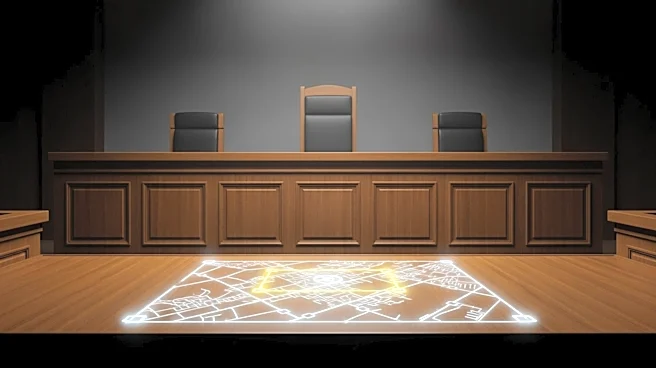
The Supreme Court is considering the constitutionality of geofence warrants, a law enforcement technique that uses tech-firm databases to identify individuals near a crime scene. The case involves a bank robbery in Virginia, where police used a geofence warrant to access
Google’s location data, identifying potential suspects based on their proximity to the crime. Critics argue that geofencing can infringe on privacy rights by sweeping up innocent individuals, while proponents see it as a valuable tool for solving crimes. The Trump administration contends that users who opt into Google’s location history waive their privacy rights, while the defense argues that the warrant was unconstitutional and overly broad.
Why It's Important?
This case represents a significant clash between privacy rights and law enforcement capabilities in the digital age. The outcome could redefine Fourth Amendment protections against unreasonable searches, particularly concerning digital data. A ruling in favor of geofence warrants could expand law enforcement’s ability to access personal data, raising concerns about potential government surveillance and privacy violations. Conversely, a decision against the warrants could reinforce privacy protections and limit law enforcement’s use of digital data in investigations.
What's Next?
The Supreme Court’s decision, expected by summer, will have far-reaching implications for privacy rights and law enforcement practices. If geofence warrants are deemed unconstitutional, tech companies may face increased pressure to protect user data from government access. The ruling could also influence future cases involving digital privacy and surveillance, prompting legislative action to address the balance between privacy and security in the digital era.