



What's Happening?
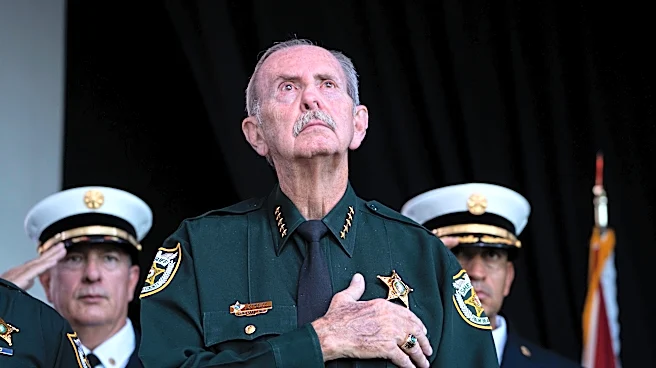
The Florida Sheriff’s Association has initiated an advertising campaign urging voters to reject Amendment 3, a ballot initiative aimed at lowering property taxes. Seminole County Sheriff Dennis Lemma, a prominent voice in the campaign, stated that the amendment
poses the "biggest threat to the office of sheriff" and could lead to devastating budget reductions. If passed, Amendment 3 would increase the homestead exemption to $150,000 in 2027 and $250,000 in 2028, and reduce the annual cap on assessment increases for non-homestead properties from 10% to 5%. Sheriff Lemma warned that such changes could force his office to eliminate approximately 300 positions, both vacant and filled, and implement difficult reductions across the organization, including hiring freezes, elimination of vacant positions, consolidation of functions, and delays in replacing vehicles, equipment, and technology. The ad campaign claims the amendment would remove Florida's primary source of public safety funding without a replacement plan, potentially leading to increased crime, fewer deputies, and delays in 911 calls.
Why It's Important?
This campaign highlights a significant fiscal and public safety debate in Florida. Amendment 3, while intended to provide property tax relief to homeowners during an inflationary period, is being framed by law enforcement as a direct threat to their operational capacity and public safety. The potential loss of hundreds of law enforcement positions and cuts to essential services could have tangible impacts on crime rates, emergency response times, and overall community safety across the state. The conflict also underscores the tension between tax relief measures and the funding needs of local government services. While proponents like Florida Realtors argue the amendment will help struggling homeowners, opponents from law enforcement emphasize the critical role property taxes play in funding essential public services. This debate forces voters to weigh personal financial benefits against potential reductions in public services.
What's Next?
Voters will decide on Amendment 3 in November, where it requires 60% approval to pass. In anticipation of potential revenue shortfalls, some local municipalities are already exploring alternative funding methods, such as raising service fees or increasing the millage rate. State Representative Toby Overdorf, who helped draft the amendment, suggests that local governments might have increased fees regardless of property tax reforms, and that voters can hold elected officials accountable for such decisions. The outcome of the vote will significantly influence the financial landscape for Florida's local governments and law enforcement agencies. If the amendment passes, sheriffs' offices and other public services will face the challenge of operating with reduced budgets, potentially leading to innovative but difficult restructuring. If it fails, the pressure for property tax relief will likely continue, prompting further legislative efforts.
Beyond the Headlines
The debate over Amendment 3 reflects a broader national conversation about property tax reform, local government funding, and the balance between taxpayer relief and public service provision. It exposes the intricate relationship between state-level policy decisions and their direct impact on local communities and essential services. The argument that local governments might increase fees regardless of property tax changes points to a deeper issue of fiscal responsibility and transparency in local governance. This situation could set a precedent for how other states approach property tax reform, particularly in high-growth areas. Furthermore, the involvement of law enforcement in a political campaign against a ballot initiative raises questions about the appropriate role of public service organizations in influencing electoral outcomes and the potential for politicization of essential services.