








What's Happening?
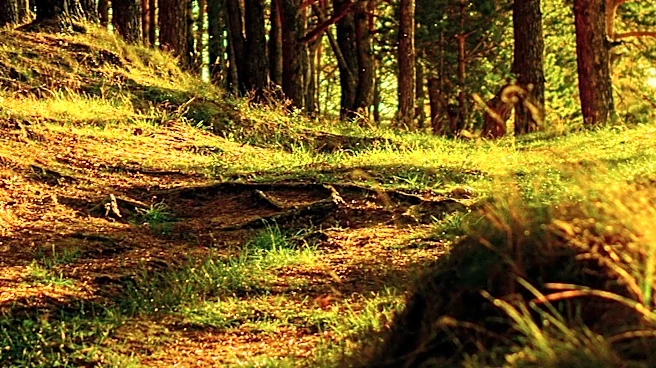
A 105-acre forested tract in Maryland, informally known as the “Hundred Acre Wood,” has been officially protected from development. This land, formerly owned by NASA and used for testing rocket fuels, was transferred to the U.S. Fish and Wildlife Service
in July. It will now be managed as part of the adjoining Patuxent Research Reserve, a publicly accessible national wildlife refuge. The property, formally called Area 400, was declared “underutilized” by the federal Public Buildings Reform Board in 2021, which initially proposed selling it. However, under pressure from conservationists, the Biden administration rejected this sale and more than a dozen other potential federal property sales. The interagency transfer became effective on February 23 of this year, after which NASA demolished existing buildings, roads, and utilities on the site, ensuring its preservation as a natural habitat.
Why It's Important?
The preservation of the “Hundred Acre Wood” is a significant victory for environmental conservation in the U.S., particularly in the densely populated corridor between Washington and Baltimore. The Patuxent Research Reserve, which now encompasses nearly 13,000 acres, is the largest unfragmented woodland in this region and the nation’s only wildlife refuge dedicated solely to supporting wildlife research. This expansion ensures the continued protection of critical habitats and provides expanded opportunities for scientific study of wildlife. The decision by the Biden administration to reject the sale of federal lands for development, prioritizing conservation, sets a precedent for future land management policies. It highlights a growing emphasis on preserving natural beauty and expanding outdoor recreation opportunities for future generations, benefiting both ecological health and public access to nature.
What's Next?
With the transfer complete and the site cleared of previous infrastructure, the 105-acre tract will be fully integrated into the Patuxent Research Reserve. The U.S. Fish and Wildlife Service will manage the area, focusing on its role in wildlife research and conservation. This integration will likely involve ecological restoration efforts to further enhance its natural state and ensure its long-term viability as a wildlife habitat. The public can expect continued access to the expanded refuge for recreational activities, consistent with its designation as a national wildlife refuge. This successful conservation effort may also encourage similar actions for other federal properties deemed “underutilized,” potentially leading to more land transfers for environmental protection across the country.
Beyond the Headlines
This event underscores a broader philosophical shift in how federal lands are viewed and managed. The initial proposal to sell the land for its “fair market value” reflects a utilitarian approach, while the eventual decision to transfer it for conservation highlights a growing recognition of the intrinsic value of natural spaces and their ecological services. The informal name “Hundred Acre Wood” evokes a sense of childhood wonder and the importance of preserving such places for future generations, connecting environmental policy with cultural and emotional values. This case also illustrates the power of public pressure and advocacy in influencing government decisions, demonstrating how conservationists can successfully challenge economic rationales in favor of ecological preservation. It sets a precedent for valuing biodiversity and natural heritage over immediate financial gain, reflecting a maturing environmental consciousness in national policy.