


What's Happening?
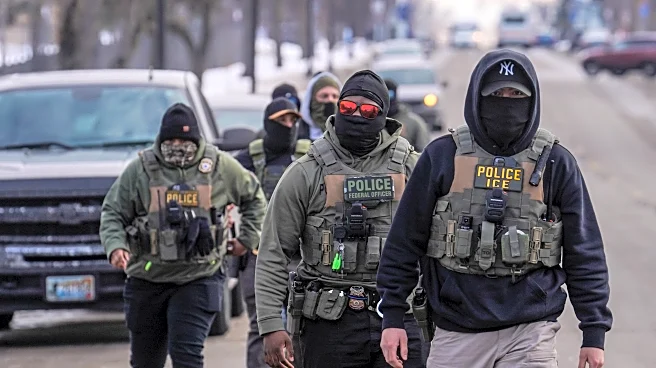
Martha Stewart, the well-known entrepreneur and TV host, has expressed her dissatisfaction with the presence of Immigration and Customs Enforcement (ICE) in her neighborhood of Bedford, New York. Stewart, who is typically optimistic, described the situation
as 'extremely depressing' and likened it to 'big brother' watching. The Bedford Central School District confirmed that ICE officers were in the area, specifically in Mount Kisco, looking for an individual. Stewart's comments come in the wake of heightened tensions over ICE's actions, including the shooting of Renee Nicole Good, a U.S. citizen, by ICE agents in Minneapolis. Stewart, influenced by her granddaughter's concerns, voiced her dismay over the current immigration policies and the inability to peacefully demonstrate against them.
Why It's Important?
The presence of ICE in suburban areas like Bedford highlights the broader national debate on immigration enforcement and its impact on communities. Stewart's comments bring attention to the emotional and social ramifications of such enforcement actions, particularly in areas not typically associated with immigration issues. The situation underscores the tension between federal immigration policies and local community sentiments. It also raises questions about the balance between national security and civil liberties, as well as the role of public figures in influencing public discourse on contentious issues.
What's Next?
The ongoing presence of ICE in communities like Bedford may lead to increased public discourse and potential policy discussions at both local and national levels. Community leaders and residents may seek to engage with policymakers to address their concerns and advocate for changes in immigration enforcement practices. Additionally, public figures like Stewart may continue to use their platforms to influence public opinion and encourage civic engagement on immigration issues.