







What's Happening?
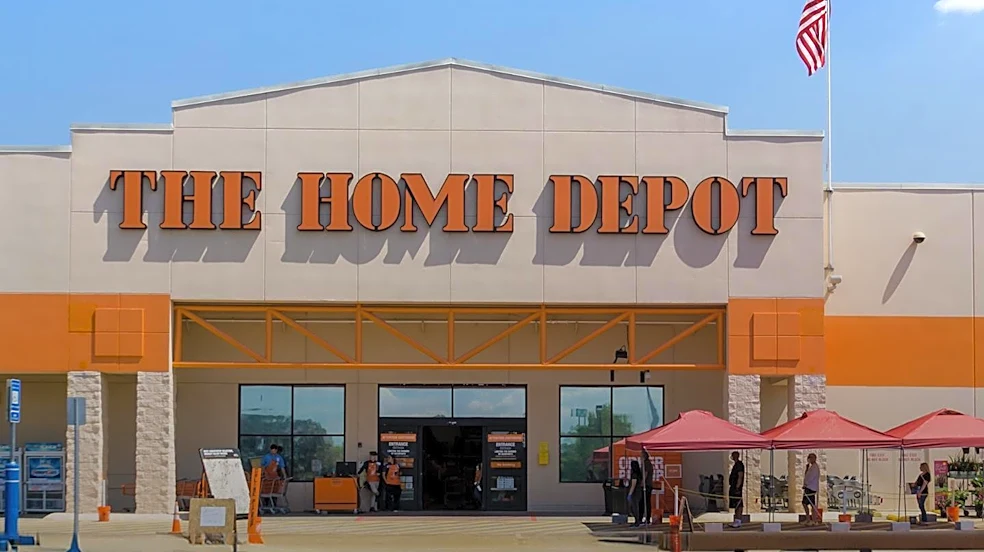
Three individuals, Terry Foster and Robert West of Cleveland, and Todd Hercules of Strongsville, have been indicted by a grand jury in Geauga County, Ohio, for their alleged involvement in a series of thefts from Home Depot stores. The Geauga County Prosecutor’s
Office stated that the thefts occurred between June 22 and September 9. The trio is accused of committing 50 different Home Depot thefts across Northeast Ohio, accumulating a total value exceeding $68,000. Approximately $20,000 of these thefts took place at Home Depot locations within Geauga County. Detectives from the Bainbridge Township Police Department, in collaboration with Home Depot loss prevention, identified the suspects who reportedly posed as contractors picking up prepaid orders. Foster and West, having prior felony theft convictions or guilty pleas within the last three years, face elevated charges, with each theft classified as a fourth-degree felony. Due to the organized nature of these crimes, the grand jury also found probable cause to charge Foster and West under Ohio’s racketeering law. Foster faces one count of engaging in a pattern of corrupt activity and 15 counts of grand theft, while West is indicted on one count of engaging in a pattern of corrupt activity and 13 counts of grand theft. Hercules has been indicted on four counts of theft. Warrants have been issued for all three men, and their arraignment in the Court of Common Pleas will follow their apprehension.
Why It's Important?
This indictment highlights the ongoing challenge retailers face with organized retail crime, which significantly impacts businesses and consumers. The alleged scheme, involving individuals posing as contractors to steal merchandise, demonstrates a sophisticated approach to theft that goes beyond simple shoplifting. The elevation of charges to fourth-degree felonies for Foster and West due to their prior convictions, and the application of Ohio's racketeering law, underscore the severity with which law enforcement and prosecutors are addressing these organized criminal activities. For Home Depot, these thefts represent direct financial losses and potential operational disruptions, necessitating increased investment in loss prevention measures. For consumers, such losses can indirectly contribute to higher prices as retailers seek to offset the costs of theft. The collaboration between local police and corporate loss prevention teams is crucial in combating these types of crimes, indicating a coordinated effort to protect retail assets and maintain public safety. The case also serves as a deterrent, signaling that organized theft rings will be pursued and prosecuted under stringent laws.
What's Next?
Following the issuance of warrants, the immediate next step is the apprehension of Terry Foster, Robert West, and Todd Hercules. Once in custody, they will be arraigned in the Court of Common Pleas in Geauga County. During the arraignment, the defendants will formally hear the charges against them and enter their pleas. The legal process will then proceed with potential pre-trial hearings, discovery, and ultimately, a trial if no plea agreement is reached. The prosecution will aim to prove the organized nature of the thefts, particularly against Foster and West under the racketeering statute, which carries more severe penalties. Home Depot's loss prevention team will likely continue to cooperate with law enforcement, providing evidence and support throughout the judicial proceedings. This case may also prompt other retailers to review and enhance their security protocols, especially concerning contractor pickups and high-value merchandise, to prevent similar schemes. The outcome of this case could set a precedent for how organized retail crime is prosecuted in Ohio and potentially influence future legislative efforts to combat such activities.
Beyond the Headlines
The indictment of these individuals for an organized theft scheme at Home Depot stores reveals a broader societal issue concerning the intersection of economic pressures, criminal enterprise, and retail security. The alleged method of posing as contractors to pick up prepaid orders suggests a calculated exploitation of trust and operational vulnerabilities within large retail systems. This type of crime is not merely about individual acts of theft but points to a more systemic problem of organized groups targeting retailers for profit. The use of Ohio's racketeering law against Foster and West signifies a legal recognition of the organized and continuous nature of these criminal activities, moving beyond treating them as isolated incidents. This approach aims to dismantle criminal networks rather than just prosecuting individual offenders. The long-term implications include a potential shift in how retailers manage their supply chains and customer interactions, possibly leading to more stringent verification processes for order pickups. Furthermore, the case highlights the ethical dilemma faced by individuals who engage in such schemes, often driven by various factors, and the societal cost of these actions, which extends beyond financial losses to include impacts on community safety and the integrity of commercial transactions.