





What's Happening?
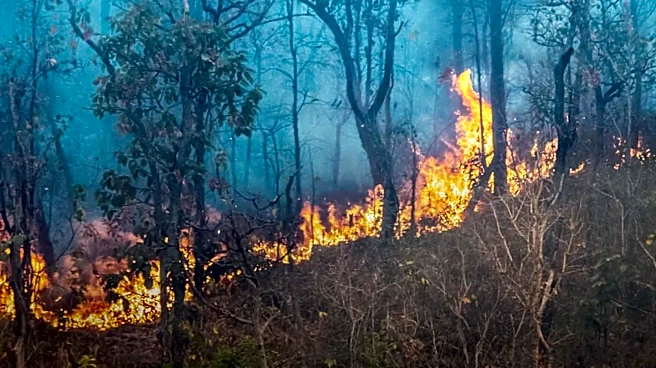
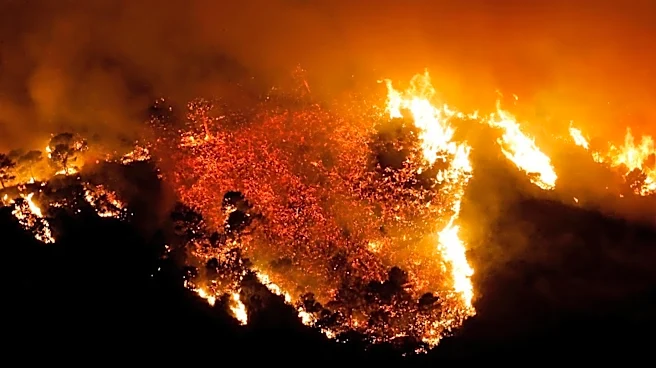
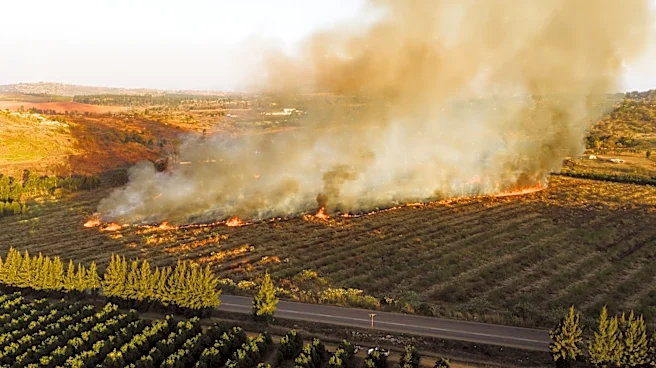
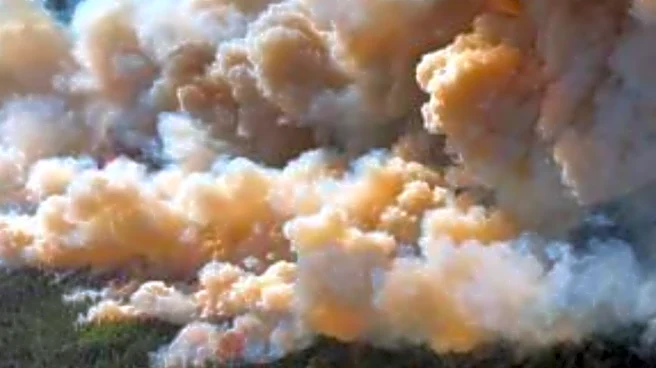
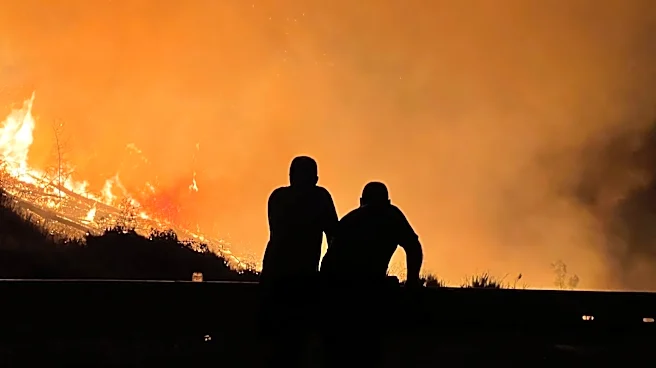
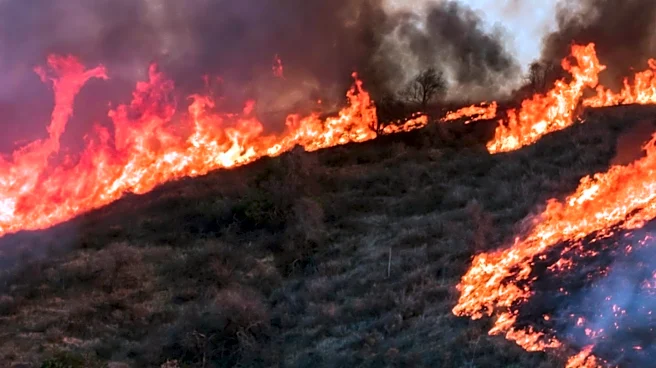
U.S. Senator Ron Wyden visited Central Oregon to evaluate the ongoing wildfire response efforts and engage with emergency crews. During his tour, Wyden attended a fire briefing in Warm Springs and visited several key locations, including Prineville and the Rowe
Creek Complex West Zone. He also stopped at the air base in Redmond, where tankers are refueled to drop fire retardant over active fires. Wyden emphasized the need for more resources, noting that firefighters reported having only half of the necessary equipment to effectively combat the fires. He was joined by local and state leaders, including Mayors Kebler and Letz, State Representative Emerson Levy, and Deschutes County Commissioner Phil Chang, who all expressed gratitude to the firefighters and stressed the importance of continued federal and state funding.
Why It's Important?
The visit by Senator Wyden underscores the critical need for adequate resources in fighting wildfires, which have become increasingly frequent and severe due to climate change. The shortage of equipment and resources not only hampers the immediate response to fires but also poses long-term risks to communities, infrastructure, and ecosystems. The involvement of federal and state leaders highlights the importance of coordinated efforts and funding to address these challenges. The situation in Central Oregon serves as a microcosm of the broader issues facing wildfire management across the U.S., where resource allocation and preparedness are crucial for effective disaster response.
What's Next?
Following Senator Wyden's visit, there may be increased advocacy for federal and state funding to support wildfire response efforts. Local and state leaders are likely to continue pushing for resources to ensure that emergency crews are adequately equipped. The ongoing dialogue between federal and state officials could lead to policy changes or additional funding allocations aimed at improving wildfire management and prevention strategies. The situation also calls for a reassessment of current resource distribution and the development of long-term plans to enhance the resilience of communities vulnerable to wildfires.