



What's Happening?
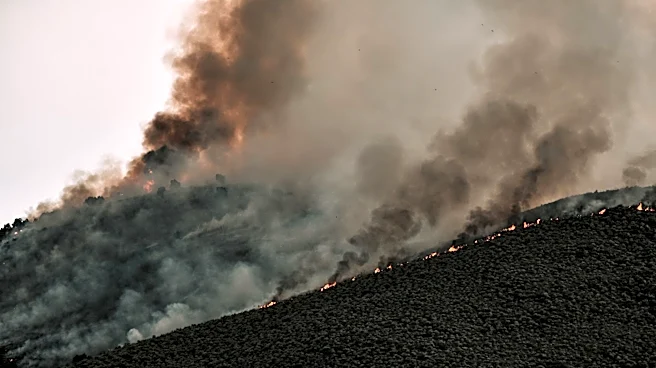
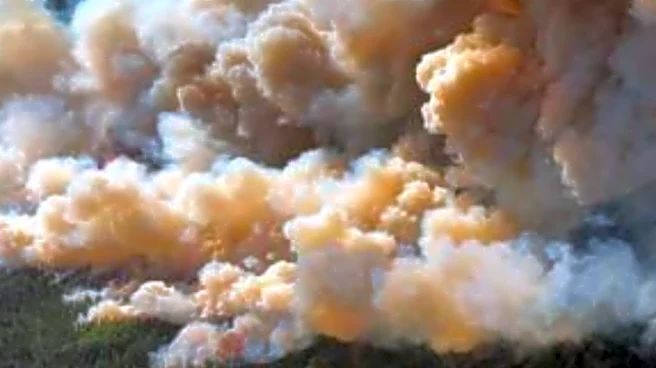
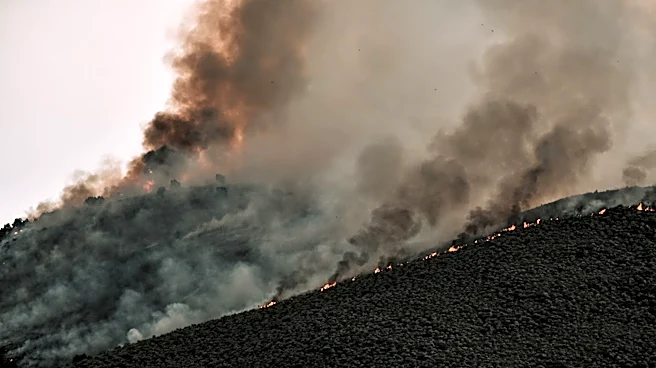
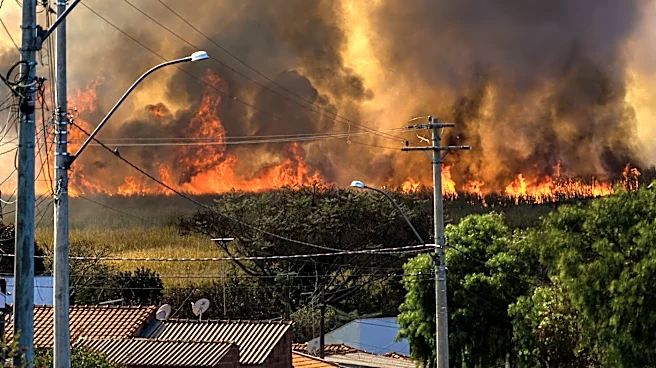
The Air Quality Index (AQI) is under scrutiny as wildfire smoke continues to affect air quality across the United States. Recent events have highlighted the limitations of the AQI, which is used to communicate air quality levels to the public. Critics
argue that the AQI's color-coded system is inconsistent and may not accurately reflect real-time conditions. The index measures concentrations of five pollutants and assigns a score based on regulatory limits. However, variations in sensor distribution and reporting methods can lead to discrepancies in AQI readings. As wildfires become more frequent, there is a growing need for more reliable and precise air quality metrics.
Why It's Important?
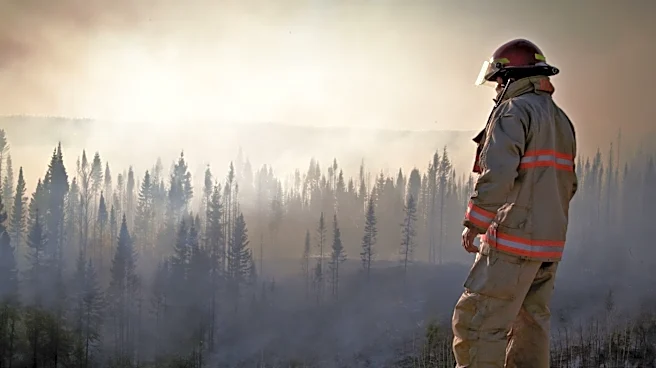
The increasing frequency of wildfires and their impact on air quality underscore the need for accurate and timely information to protect public health. The current limitations of the AQI could hinder individuals' ability to make informed decisions about outdoor activities, particularly for vulnerable populations. Improving the AQI or developing alternative metrics could enhance public awareness and safety during air quality events. This issue also highlights the broader challenges of adapting public health tools to address the impacts of climate change, which is expected to exacerbate air quality issues in the future.
Beyond the Headlines
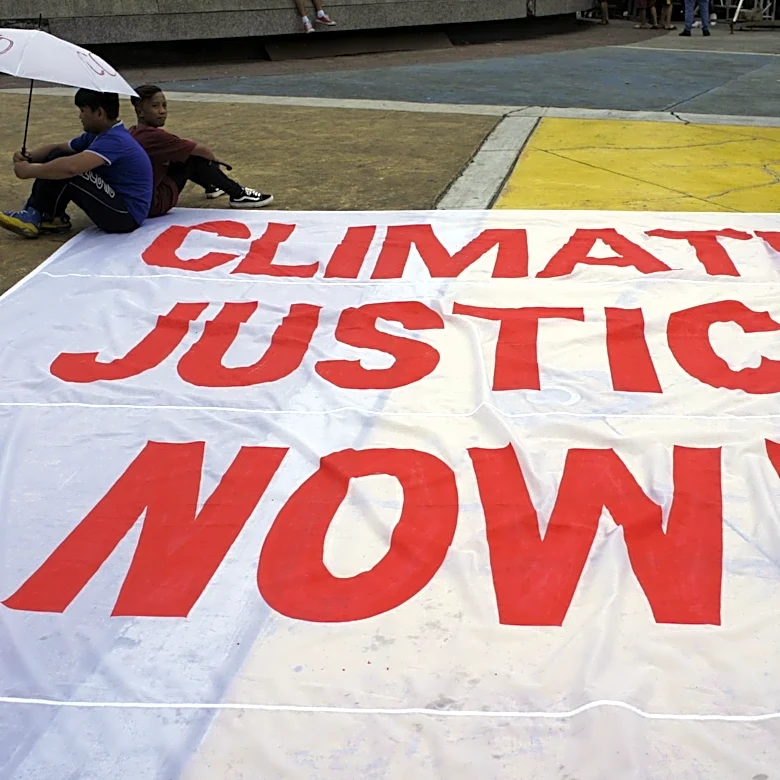
The debate over the AQI reflects broader concerns about environmental monitoring and public communication. As climate change continues to influence weather patterns and increase the frequency of extreme events, there is a need for more robust systems to track and report environmental data. This situation also raises questions about the role of technology and innovation in addressing public health challenges. Developing more accurate air quality metrics could involve advancements in sensor technology, data analysis, and public communication strategies.