



What's Happening?
President Trump has initiated a new Board of Peace aimed at overseeing the next phase of the Gaza peace plan. This board is intended to supervise the reconstruction and disarmament efforts in Gaza, with a $1 billion contribution securing permanent membership.
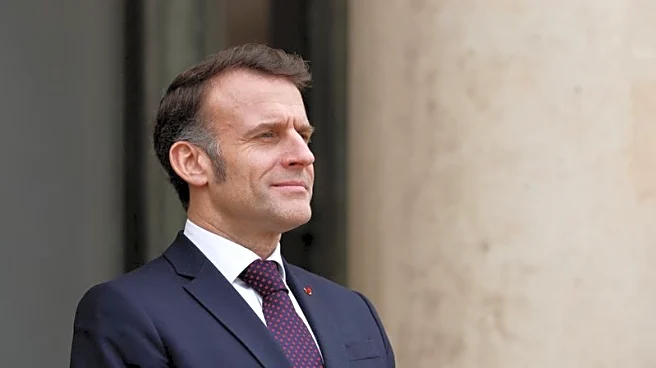
However, the board's effectiveness is uncertain as Israel, a key player in the region, has not yet confirmed its participation. The board has extended invitations to several countries, including Russia, Belarus, and the European Union, but France has declined to join at this stage. The humanitarian situation in Gaza remains fragile, with the U.N. World Food Program warning of ongoing malnutrition risks despite reaching over a million people monthly with aid. The board's mandate and decision-making processes are under scrutiny, especially given the complex geopolitical dynamics involved.
Why It's Important?
The establishment of the Board of Peace is significant as it represents a new approach to resolving the longstanding conflict in Gaza. The board's success or failure could have profound implications for regional stability and international diplomatic relations. If successful, it could lead to improved humanitarian conditions in Gaza and potentially pave the way for a lasting peace agreement. However, the board's ability to function effectively is contingent on the cooperation of key stakeholders, particularly Israel. The involvement of diverse international players also raises questions about the board's alignment with existing international frameworks, such as the United Nations. The outcome of this initiative could influence U.S. foreign policy and its role in global conflict resolution.
What's Next?
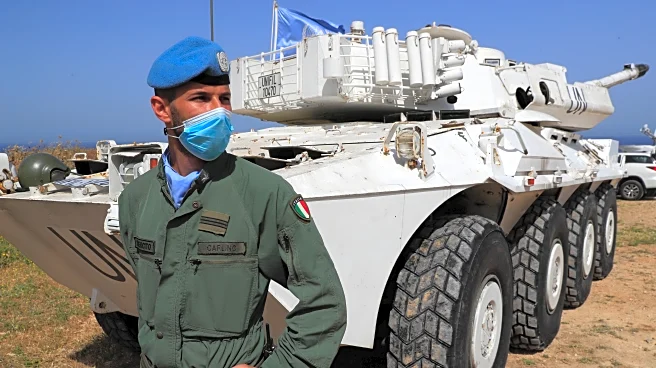
The U.S. is expected to announce the official list of board members soon, possibly during the World Economic Forum meeting in Davos. The board will oversee an executive committee responsible for implementing the Gaza peace plan's second phase, which includes deploying an international security force and disarming Hamas. The board's future actions will likely depend on the responses of invited countries and the evolving political landscape in the region. Israel's decision to participate or not will be crucial, as will the reactions of other regional powers. The board's progress will be closely monitored by international observers and could influence future peace initiatives in the Middle East.
Beyond the Headlines
The creation of the Board of Peace highlights the complexities of international diplomacy and the challenges of balancing national interests with global peace efforts. The board's potential to act as a rival to the U.N. Security Council raises questions about the future of international governance structures. Additionally, the board's focus on Gaza underscores the ongoing humanitarian crisis in the region and the need for sustainable solutions. The involvement of diverse countries, some with conflicting interests, could either enhance the board's legitimacy or complicate its operations. The initiative also reflects President Trump's broader foreign policy strategy and his administration's approach to conflict resolution.