





What's Happening?
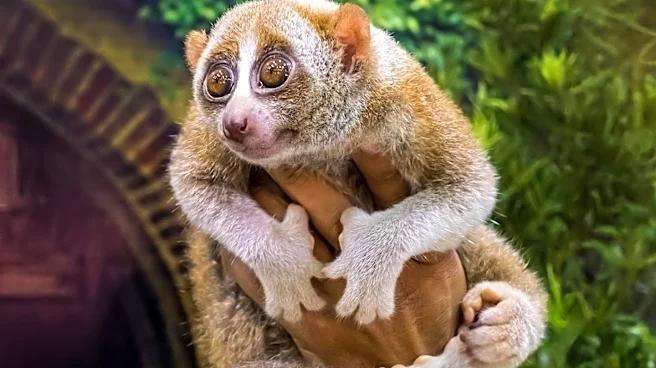
The exotic pet trade in India is creating substantial zoonotic disease risks, with increasing evidence of pathogens jumping from animals to humans. This trade, often involving illegally trafficked animals, bypasses crucial health screenings and quarantine
procedures, allowing potentially infected animals to enter communities. Experts highlight that traded wildlife can carry a range of pathogens, including bacteria, viruses, and parasites, with a significant percentage having zoonotic potential. The close contact between humans and exotic animals, particularly in unregulated settings like pet cafes and public events, further amplifies the risk of disease transmission. The lack of systematic surveillance and inadequate preparedness of first responders, such as customs officials, exacerbate the problem, making it difficult to detect and contain potential outbreaks.
Why It's Important?
The implications of uncontrolled exotic pet trade extend beyond India's borders, posing a global health threat. The interconnectedness of the world means that a zoonotic disease outbreak in one region can quickly spread internationally, as demonstrated by past pandemics. The U.S., with its own exotic pet market and international travel, is vulnerable to the introduction of novel pathogens through this pathway. The economic impact of a pandemic, including healthcare costs, trade disruptions, and societal upheaval, can be immense. This situation underscores the critical need for international cooperation in regulating wildlife trade, strengthening biosecurity measures at borders, and enhancing global surveillance systems to prevent future pandemics. The ethical concerns surrounding animal welfare in the exotic pet trade also contribute to the broader societal impact.
What's Next?
Addressing this issue requires a multi-faceted approach, including stronger international regulations on wildlife trade, enhanced surveillance and screening protocols at borders, and increased public awareness about the risks associated with exotic pets. India, in particular, needs to strengthen its 'One Health' surveillance architecture to systematically account for the exotic pet trade. This involves collaboration between human health, animal health, and environmental sectors. For the U.S., this could mean reviewing its own import regulations for exotic animals and collaborating with international partners to combat illegal wildlife trafficking. There is also a need for more research into the disease burden associated with exotic wildlife and the development of effective strategies to prevent zoonotic spillover. The long-term goal is to minimize the risk of future pandemics originating from the wildlife trade.
Beyond the Headlines
Beyond the immediate health risks, the exotic pet trade raises profound ethical and environmental concerns. The capture and transportation of wild animals often involve cruel practices, leading to high mortality rates and immense suffering. Furthermore, the removal of animals from their natural habitats can disrupt ecosystems and contribute to biodiversity loss. The normalization of close human-wildlife interaction through petting zoos and social media trends can desensitize the public to the inherent dangers and ethical issues. This situation highlights the need for a fundamental shift in societal attitudes towards wildlife, emphasizing conservation and responsible interaction rather than exploitation. The legal and regulatory frameworks surrounding wildlife trade need to be robust, consistently enforced, and adaptable to emerging threats, reflecting a global commitment to both public health and environmental protection.