









What's Happening?
The cities of Malibu and Pasadena have agreed to settle a lawsuit that challenged their suspension of Senate Bill 9 (SB 9) in high fire risk zones. This settlement comes after a legal battle initiated by housing advocates, including YIMBY Law, who argued
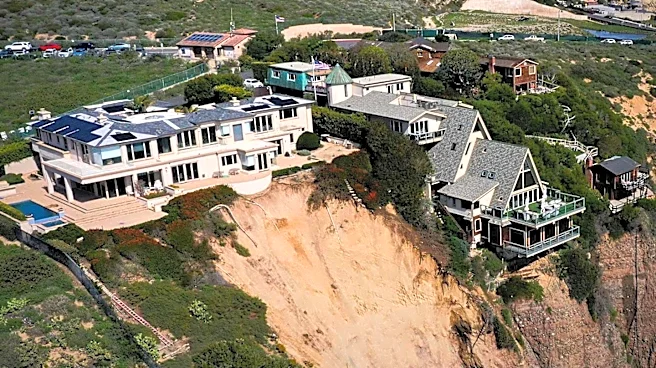
that local jurisdictions did not have the authority to block state legislation. SB 9, enacted in 2021, permits single-family homeowners to build duplexes and split their lots, potentially creating up to four units where a single-family home once stood. The law was suspended in certain areas following the 2025 fires, as local officials and residents expressed concerns about increased density affecting evacuation routes and neighborhood character. The settlement requires Malibu and Pasadena to repeal local ordinances blocking SB 9 projects by the end of September and to process any pending applications.
Why It's Important?
This settlement is significant as it reinforces the authority of state legislation over local ordinances, particularly in the context of housing development. By allowing SB 9 projects to proceed, the settlement could lead to increased housing density in areas previously restricted, potentially alleviating some of the housing shortages in California. However, it also raises concerns about safety and community character in high fire risk zones. The decision highlights the ongoing tension between state-level housing mandates and local control, a critical issue as California continues to grapple with housing affordability and availability. The outcome of this case could set a precedent for similar disputes across the state, impacting how local governments can respond to state housing laws.
What's Next?
While Malibu and Pasadena have settled, the county and city of Los Angeles continue to contest the lawsuit, maintaining restrictions in areas like Altadena and the Pacific Palisades. State officials, including Governor Gavin Newsom's office, plan to defend the executive order that allowed local leaders to block SB 9 in high fire hazard areas. The ongoing legal battle will determine whether these restrictions can remain in place, potentially affecting future housing development in these regions. The outcome could influence how other municipalities approach state housing laws, particularly in areas prone to natural disasters.