






What's Happening?
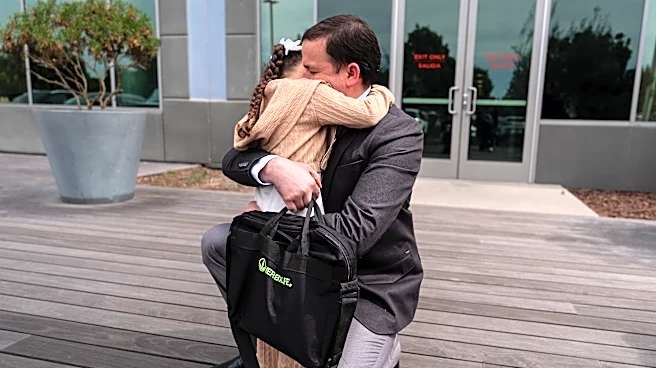
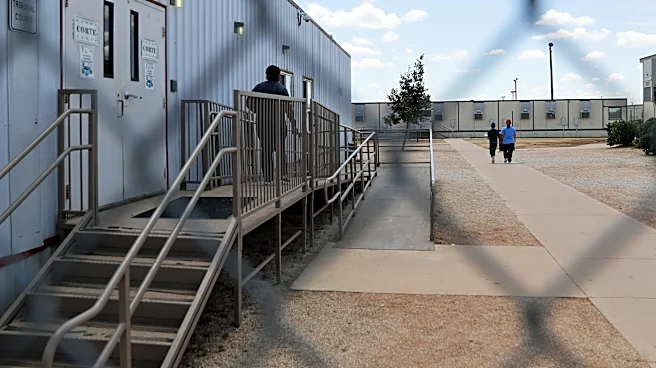
A federal court in the United States has intervened to prevent the deportation of Hayam El Gamal and her five children, who were recently released from immigration detention. The family, originally from Egypt, had been held for nearly a year, marking
the longest detention of any known family during President Trump's second term. Their detention followed an attack by El Gamal's former husband, Mohamed Sabry Soliman, in Boulder, Colorado. Despite a lack of evidence implicating the family in the attack, they were detained by immigration authorities. After their release, the Trump administration attempted to re-detain and deport them, prompting a federal judge to issue an emergency order halting their removal. The family's lawyers and several lawmakers have criticized the administration's actions as illegal and punitive.
Why It's Important?
This case highlights ongoing tensions and legal battles over U.S. immigration policies under the Trump administration. The administration's hardline stance has often led to conflicts with judicial orders, raising concerns about the rule of law and the treatment of immigrants, particularly those from non-Western countries. The situation underscores the broader debate over immigration policy, human rights, and the legal protections afforded to asylum seekers. The case has drawn attention from immigration rights groups and lawmakers, who argue that the detention and attempted deportation of the El Gamal family reflect discriminatory practices against Arab Muslim immigrants.
What's Next?
The legal battle over the El Gamal family's status is likely to continue, with potential implications for other similar cases. The Department of Homeland Security's response to the court's order will be closely watched, as will any further legal actions taken by the family's lawyers. The case may also influence public opinion and policy discussions on immigration, potentially affecting future legislative and executive actions. Advocacy groups are expected to continue their efforts to challenge and reform immigration policies perceived as unjust or discriminatory.