









What's Happening?
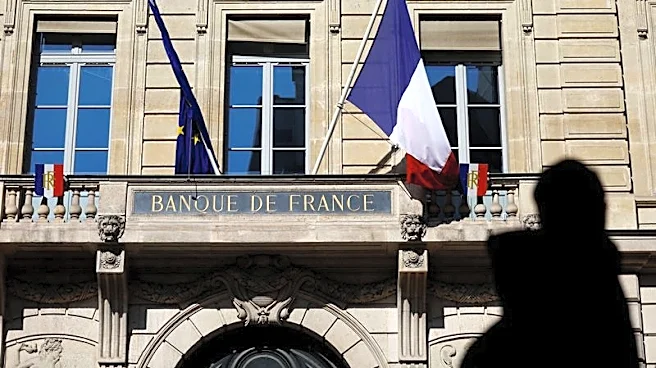
The International Council of Museums (Icom) has adopted a revised code of ethics to address contemporary issues such as the rise of technology, the climate crisis, and the legacy of colonialism. This new code, approved by 85.9% of Icom members during
the 41st general assembly in Paris, replaces the previous version from 2004. The revision reflects the evolving role of museums in a rapidly changing world and aligns with the museum definition adopted by Icom in 2022. The updated code reconfigures the previous eight principles into five, focusing on society, professionalism, education, collections, and governance. It emphasizes the importance of museums serving society, operating with professional standards, and respecting diverse knowledge. The code also addresses conflicts of interest, urging museums to create policies on accepting gifts and avoiding financial or political influence.
Why It's Important?
The adoption of this revised code of ethics is significant as it reflects the changing landscape of museum operations and their role in society. By addressing modern challenges such as digital technology and colonial legacies, Icom is setting a precedent for museums worldwide to adapt and remain relevant. This move could influence how museums handle sensitive issues like restitution and the impact of technology on cultural heritage. The emphasis on ethical practices and transparency may enhance public trust and engagement with museums. Additionally, the focus on avoiding conflicts of interest and maintaining integrity in funding could lead to more sustainable and ethical museum practices, benefiting both the institutions and their audiences.
What's Next?
Icom plans to support the revised code with practical guidance to help museum professionals apply these principles. The Legal Affairs Committee is developing a separate set of legal guidelines to complement the new code, effectively restoring the legal dimension previously embodied in the 2004 code. Museums are expected to implement these changes and create public policies on accepting gifts and managing conflicts of interest. The new directives on restitution will require museums to respond promptly and transparently to requests, aligning with applicable laws. As museums begin to adopt these guidelines, there may be increased scrutiny on how they handle ethical dilemmas and engage with diverse communities.