



What's Happening?
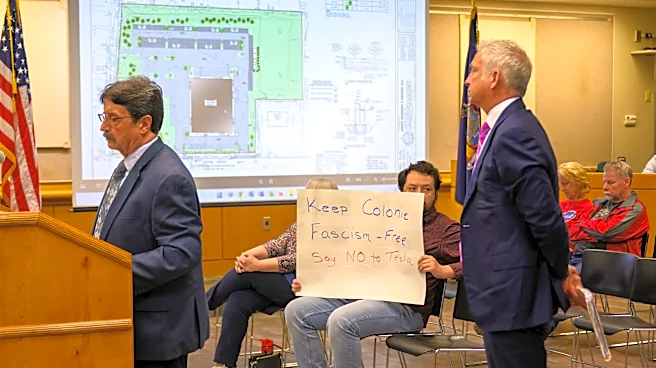
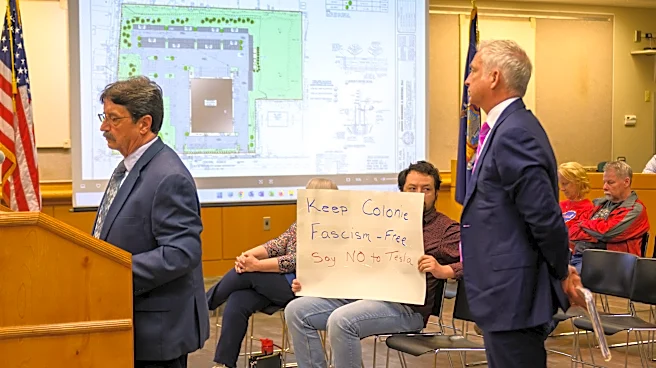
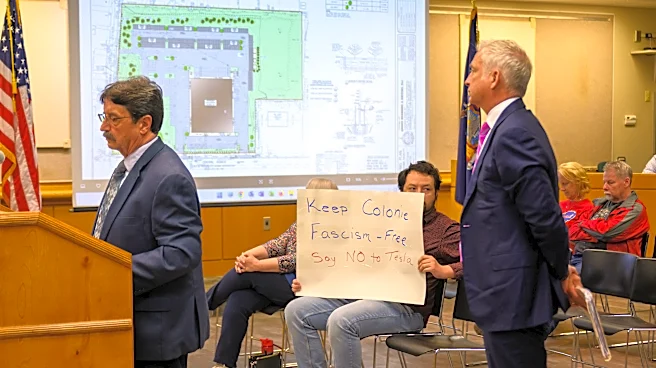
Dozens of Rapid City residents attended a City Council meeting on November 16, using the public comment section to demand action regarding data centers, despite the issue not being on the official agenda. Residents voiced concerns about water scarcity,
noise levels, and the potential loss of public trust if data centers are allowed without sufficient regulation. Current city rules permit data centers, but officials are working on a permanent ordinance to add more restrictions. Mayor Jason Salamun has proposed either a six-month pause on data center permits or an alternative ordinance with added protections, neither of which has been approved. The Planning Commission is scheduled to consider the mayor’s options on November 25, with the permanent ordinance expected to return on January 21.
Why It's Important?
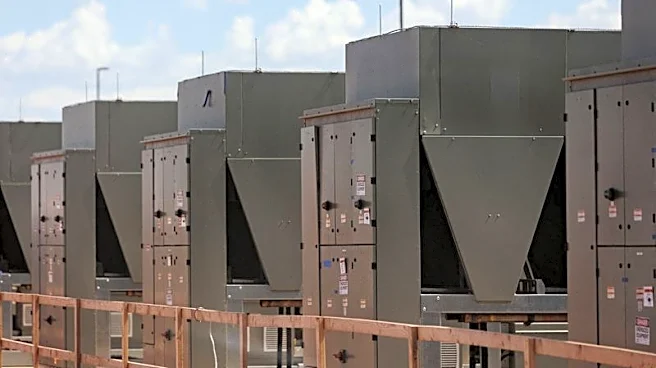
This public outcry highlights a significant community concern in Rapid City regarding environmental impact and quality of life. Data centers are known for their substantial water and energy consumption, and the noise generated by their cooling systems can be considerable. Residents' concerns about water scarcity directly impact the region's long-term sustainability and resource management. The debate also underscores the tension between economic development, often promised by tech investments like data centers, and community well-being. The city's response, including the mayor's proposed pause or alternative ordinance, will set a precedent for how Rapid City balances growth with environmental and social responsibilities, potentially influencing similar discussions in other U.S. cities facing rapid technological expansion.
What's Next?
The Rapid City Planning Commission is set to consider Mayor Salamun's proposals for a six-month pause on data center permits or an alternative ordinance on November 25. Following this, a revised draft of the permanent ordinance will be made available for public review before its scheduled return on January 21. The West River Alliance for Democracy is advocating for a pause of up to a year or until new rules are firmly in place, and they are in communication with council members. The outcome of these discussions and votes will determine the immediate future of data center development in Rapid City and the regulatory framework that will govern such facilities.
Beyond the Headlines
The controversy surrounding data centers in Rapid City reflects a growing national conversation about the environmental footprint of the digital economy. As demand for data storage and processing increases, communities across the U.S. are grappling with the implications of hosting these energy- and water-intensive facilities. This situation brings to light ethical considerations regarding resource allocation, particularly in regions facing water stress. It also raises questions about the balance of power between corporate interests and community concerns in local governance. The long-term implications could include shifts in zoning laws, increased public participation in development decisions, and a greater emphasis on sustainable practices for technological infrastructure nationwide.