





What's Happening?
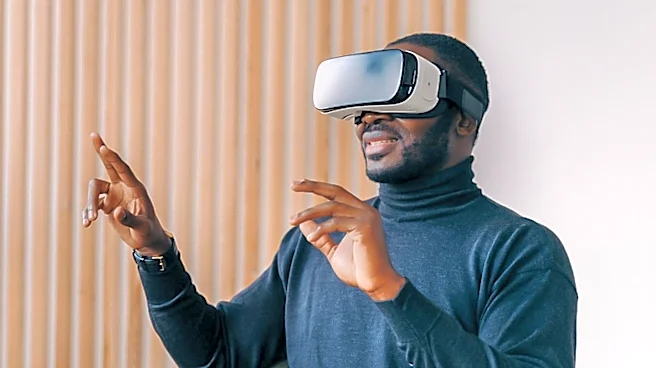
Virtual Reality (VR) classrooms are emerging as a significant innovation in education, offering immersive learning experiences that enhance student engagement and allow for practical application of theoretical concepts in a safe, simulated environment.
This technology enables students to virtually visit historical sites or conduct complex experiments, moving beyond traditional textbook and whiteboard methods. However, the widespread adoption of VR classrooms faces substantial hurdles, primarily due to the high cost of VR hardware and software, which can amount to thousands of dollars. Institutions also require technical expertise for curriculum design, custom simulation creation, and ongoing IT support. Furthermore, the rapid obsolescence of VR technology necessitates frequent equipment upgrades, and low-income students may struggle to afford the necessary gadgets or allocate adequate space at home for a VR setup, exacerbating the digital divide. Despite these challenges, the future of VR classrooms appears promising as the technology continues to evolve and become more affordable and accessible.
Why It's Important?
The integration of VR technology into education has profound implications for the U.S. educational system and its stakeholders. On one hand, it promises to revolutionize learning by making it more interactive, engaging, and effective, particularly for remote students who often miss out on traditional classroom settings. This could lead to improved academic outcomes and better preparation for careers requiring practical skills. On the other hand, the high costs associated with VR implementation risk widening the educational gap between well-funded institutions and those with limited resources, as well as between affluent and low-income students. If not addressed, this could create a two-tiered education system where access to cutting-edge learning tools is determined by socioeconomic status. The need for specialized technical expertise also presents a challenge for many educational institutions, potentially leading to a shortage of qualified personnel to develop and maintain VR curricula. The success of VR in education hinges on overcoming these financial and accessibility barriers to ensure equitable access to its benefits.
What's Next?
The future trajectory of VR classrooms will likely involve continued technological advancements aimed at reducing costs and improving accessibility. As VR hardware and software become more affordable, more educational institutions are expected to adopt this immersive learning technology. This will necessitate the development of more user-friendly tools for curriculum design and simulation creation, potentially reducing the reliance on highly specialized technical expertise. Efforts may also focus on creating more compact and versatile VR equipment that requires less dedicated space, making it more feasible for students in diverse living situations. Additionally, there could be initiatives to provide financial aid or subsidized VR equipment to bridge the digital divide and ensure that all students, regardless of their economic background, can benefit from VR-based education. The ongoing evolution of VR technology and its integration into educational frameworks will be a key area of development in the coming years.
Beyond the Headlines
Beyond the immediate challenges and opportunities, the rise of VR classrooms touches upon deeper ethical and societal considerations. The increasing reliance on virtual environments for learning could alter traditional social dynamics in education, potentially impacting in-person interaction skills and community building among students. There are also questions about data privacy and security within VR platforms, especially concerning student information and virtual interactions. The immersive nature of VR raises concerns about potential over-reliance on simulated experiences, and the need to balance virtual learning with real-world engagement. Culturally, the content and design of VR curricula will need to be carefully considered to ensure inclusivity and avoid biases. The long-term psychological effects of prolonged VR use on developing minds also warrant further research. As VR becomes more integrated into daily life, including education, society will need to grapple with these complex implications to harness its benefits responsibly.