






What's Happening?
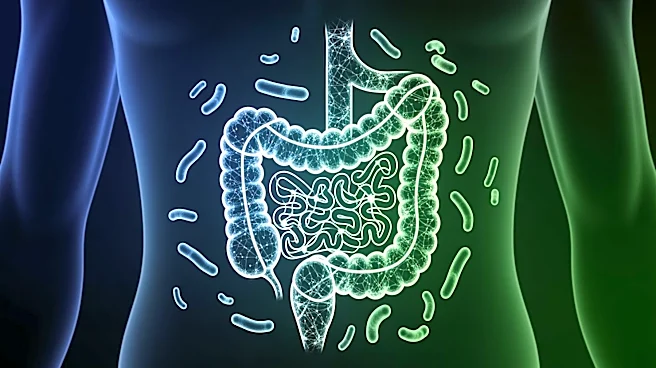
Researchers at the Li Ka Shing Institute of Health Sciences, The Chinese University of Hong Kong, have conducted a study exploring the relationship between epigenetics, gut microbiome, and neurodevelopmental outcomes in infants. The study involved analyzing
DNA methylation patterns from umbilical cord blood of 571 infants and gut microbiome data from 969 infants and their parents. The findings suggest that epigenetic changes at birth can influence the development of the gut microbiome, which in turn may affect neurodevelopmental outcomes such as autism spectrum disorder (ASD) and attention-deficit/hyperactivity disorder (ADHD). The study highlights the potential for interventions targeting microbial restoration or epigenetic modulation during critical developmental windows to mitigate risks of neurodevelopmental disorders.
Why It's Important?
The study underscores the significance of early-life factors in shaping neurodevelopmental outcomes, potentially offering new avenues for intervention. By understanding the interplay between epigenetics and the microbiome, researchers can develop strategies to support healthy brain development and immune function in infants. This research could lead to non-invasive interventions, such as probiotics, to nurture a healthy gut microbiome and reduce the risk of neurodevelopmental disorders. The findings also provide mechanistic insights into how birth mode and other perinatal factors can influence long-term health outcomes, emphasizing the importance of early-life care and monitoring.
What's Next?
The researchers plan to continue monitoring the children involved in the study to further explore the long-term health impacts of early-life epigenetic and microbiome changes. Laboratory experiments are needed to confirm the associations between gut microbes and neurodevelopment. Future research may focus on developing safe interventions, such as specific probiotics, to promote a healthy gut microbiome and potentially reduce the risk of neurodevelopmental challenges. This ongoing research could inform public health strategies and clinical practices aimed at improving early-life care and preventing neurodevelopmental disorders.
Beyond the Headlines
The study opens up discussions on the ethical implications of manipulating the microbiome and epigenome in infants. It raises questions about the long-term effects of such interventions and the potential for personalized medicine approaches in early childhood. Additionally, the research highlights cultural and societal factors influencing birth practices, such as the prevalence of Caesarean sections, and their impact on health outcomes. Understanding these dimensions could lead to more informed decisions regarding childbirth and early-life care, ultimately improving health outcomes for future generations.