


What's Happening?
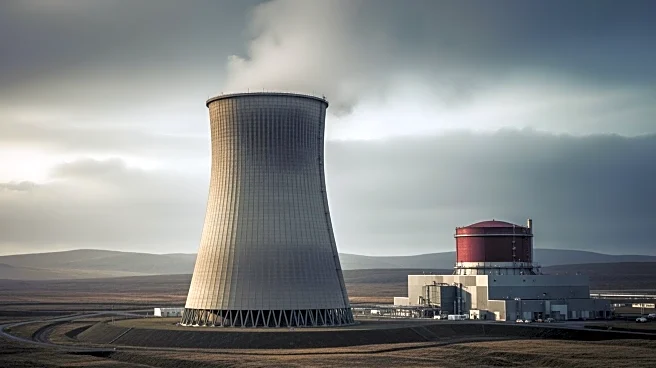
The International Atomic Energy Agency (IAEA) is actively involved in inspecting the Zaporizhzhia nuclear plant, which is currently under Russian control. The inspections are conducted under temporary ceasefires to ensure the plant's safe operation amidst
ongoing military conflict. The IAEA's focus is on assessing the functionality of critical substations and maintaining cooling systems to prevent overheating and rising radiation levels. Despite the plant being non-operational, its reactors require continuous maintenance and cooling. The war has damaged electrical substations that provide power to the plant, and cooling ponds have been allowed to run low by Russian forces. The situation is further complicated by the use of American-made fuel systems in four of the plant's energy blocks, which Russian technicians are not trained to operate.
Why It's Important?
The Zaporizhzhia nuclear plant is crucial for Ukraine's energy grid, especially as the country faces an acute energy crisis due to relentless Russian attacks on its infrastructure. The plant's safe operation is vital to prevent potential nuclear hazards, which could have severe implications for Ukraine and the surrounding regions. The ongoing inspections by the IAEA are essential to ensure nuclear safety and prevent any escalation of radiation risks. The plant's future control is a critical point in any potential peace negotiations between Ukraine and Russia, as its operation impacts both national and regional energy security.
What's Next?
The future of the Zaporizhzhia nuclear plant remains uncertain, with its control being a significant aspect of any ceasefire agreement between Ukraine and Russia. The IAEA will continue its inspections to ensure the plant's safety, while Ukraine seeks to regain control of the facility. The situation may lead to further diplomatic negotiations involving international stakeholders, including the United States, which has interests in the plant's energy output. The ongoing conflict and the plant's strategic importance will likely keep it at the forefront of international discussions.
Beyond the Headlines
The situation at the Zaporizhzhia nuclear plant highlights the broader implications of military conflicts on critical infrastructure and nuclear safety. The plant's control by Russian forces raises ethical and legal concerns regarding the operation of nuclear facilities in occupied territories. The involvement of international bodies like the IAEA underscores the importance of global cooperation in addressing nuclear safety issues. The conflict also poses long-term challenges for Ukraine's energy independence and security, as reliance on nuclear power becomes increasingly critical amidst infrastructure attacks.