



What's Happening?
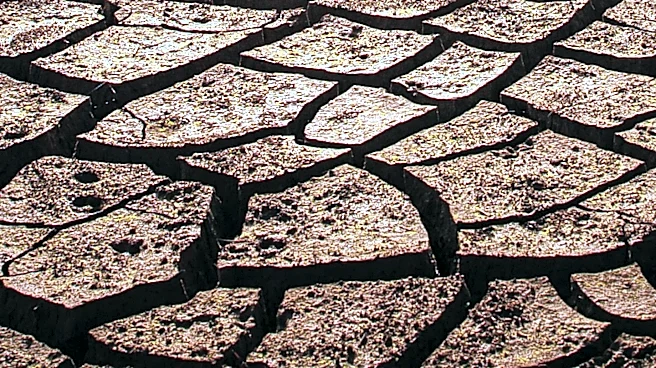
A prolonged drought is severely impacting U.S. hydropower generation, particularly in the Western states, where major reservoirs like Lake Mead and Lake Powell are at historic lows. These reservoirs, which once generated over 3 gigawatts of electricity,
now produce a fraction of that, with warnings from the U.S. Bureau of Reclamation that water levels could fall below the 'minimum power pool' required to operate turbines. This situation not only jeopardizes power supply to millions of homes but also affects drinking water and irrigation for 40 million Americans across seven Southwestern states. The issue is compounded by a multi-decade 'mega-drought' in the American West and reduced hydropower imports from Canada due to widespread drought in Quebec, which has led to an unexpected supply deficit in Northeastern states. The decline in hydropower, which accounts for nearly 6% of total U.S. utility-scale electricity and is a critical source of renewable, on-demand power, is creating significant challenges for grid operators.
Why It's Important?
The diminishing hydropower capacity has profound implications for the U.S. energy sector and its clean energy transition goals. Hydropower is a crucial zero-carbon backstop, capable of ramping up instantly to meet demand surges, unlike intermittent sources like solar and wind. The loss of this flexible capacity destabilizes grid reliability, especially as the U.S. power grid faces increased demand from electric vehicles and heat pumps. The crisis is forcing grid operators to consider firing up legacy natural gas and coal plants as emergency backups to prevent catastrophic grid collapse. This reliance on fossil fuels directly contradicts national decarbonization efforts and accelerates the very climate warming cycle that is exacerbating the drought. Furthermore, the water crisis impacts not only electricity generation but also the fundamental resources of drinking water and irrigation for a significant portion of the Southwestern U.S., highlighting a broader environmental and economic vulnerability.
What's Next?
Monitoring Bureau of Reclamation elevation projections for Lake Mead and Lake Powell will be critical in the coming months. Should water levels fall below the minimum power pool thresholds, Western states can anticipate escalating electricity rates and rolling reliability warnings. The immediate future will likely see increased reliance on fossil fuel-based power generation to compensate for the hydropower deficit, potentially leading to higher carbon emissions. Northeastern states that had planned to rely on Canadian hydropower for clean energy targets will need to reassess their energy strategies and potentially seek alternative sources or implement demand-side management. Long-term solutions will require addressing the structural water deficit in the American West, potentially through updated water allocation policies and significant investments in water conservation and alternative energy infrastructure to mitigate the impacts of ongoing climate shifts.
Beyond the Headlines
The hydropower crisis exposes a deeper paradox: the climate impacts causing the drought are simultaneously forcing a regression to fossil fuels, thereby accelerating the warming cycle. This situation underscores the interconnectedness of climate change, water resources, and energy policy. The legal allocations governing the Colorado River, established a century ago during a wetter period, are now proving inadequate, highlighting the need for modern water rights frameworks that reflect current environmental realities. The crisis also reveals the vulnerability of cross-border green energy initiatives to weather risks, as seen with the Canadian hydropower imports. This necessitates a re-evaluation of energy security strategies, emphasizing diversification and resilience against climate-induced disruptions. The long-term implications could include significant shifts in regional demographics and economic activities if water scarcity persists, potentially leading to increased interstate conflicts over dwindling resources.