





What's Happening?
Iran's Foreign Minister Abbas Araghchi departed Pakistan without meeting U.S. envoys, as reported by Pakistani officials. The talks were intended to address the fragile ceasefire in the region. Araghchi met with Pakistani leaders to discuss Iran's negotiation
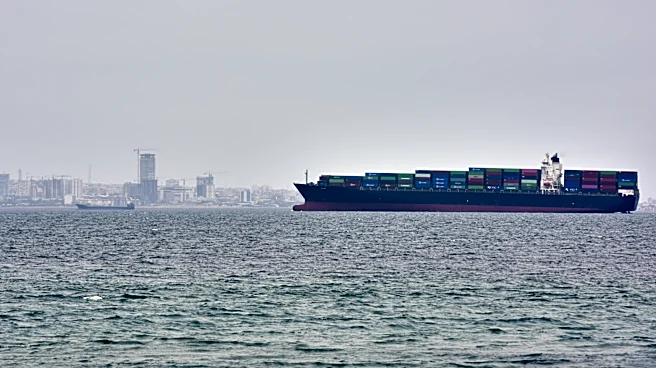
terms but left before U.S. representatives, including Steve Witkoff and Jared Kushner, arrived. The ceasefire has paused most fighting, but economic disruptions continue due to the near-closure of the Strait of Hormuz. Iran has resumed some commercial flights, indicating partial reopening amid ongoing tensions.
Why It's Important?
The absence of direct talks between Iran and the U.S. highlights the ongoing diplomatic challenges in resolving regional conflicts. The situation affects global oil markets, as the Strait of Hormuz is a critical passage for oil shipments. The economic impact extends globally, influencing oil prices and trade routes. The diplomatic stalemate underscores the complexities of international negotiations, where indirect talks mediated by third parties like Pakistan are crucial yet challenging. The outcome of these talks could significantly impact regional stability and international relations.
What's Next?
The continuation of indirect talks mediated by Pakistan is expected, with both sides expressing a willingness to engage through intermediaries. The U.S. and Iran may explore further diplomatic channels to address the ceasefire and broader regional issues. The international community, particularly countries reliant on oil shipments through the Strait of Hormuz, will closely monitor developments. Any progress or setbacks in these talks could influence global economic conditions and geopolitical dynamics.