






What's Happening?
A senior official from the European Central Bank (ECB), Frank Elderson, has highlighted the growing threat that the climate crisis poses to global financial stability. Elderson, a member of the ECB's executive board, emphasized the increasing risks associated
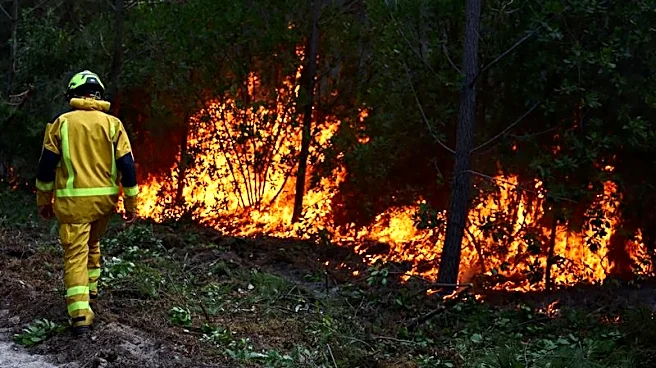
with the destruction of ecosystem services, which are natural processes or assets that support human activities. The ECB is intensifying its monitoring of these financial risks, particularly as wildfires rage across France and Spain, causing significant economic and human tolls. Elderson noted that the frequency of natural disasters linked to global warming is a substantial threat to financial stability. The ECB is working on a program to assess how the degradation of ecosystem services could impact the financial system, with plans to publish an analysis later this year.
Why It's Important?
The ECB's warning underscores the critical intersection between environmental sustainability and financial stability. As natural disasters become more frequent and severe due to climate change, the financial sector faces increased risks, including credit risks and potential financial instability. This situation highlights the need for financial institutions to integrate climate-related risks into their risk management frameworks. The ECB's proactive stance is crucial, especially as the U.S., under President Trump's administration, withdrew from the Network for Greening the Financial System, leaving Europe to lead on climate-related financial risks. The banking industry in Europe appears to recognize the relevance of these risks, which could influence global financial policies and practices.
What's Next?
The ECB plans to release a detailed analysis on how ecosystem degradation could affect credit loss dynamics for eurozone banks. This analysis will be pivotal in shaping future financial regulations and risk management strategies. As Europe continues to lead in addressing climate-related financial risks, other regions may follow suit, potentially leading to a more unified global approach. The banking sector's acknowledgment of these risks could drive further innovation in sustainable finance and investment strategies, aligning financial practices with environmental sustainability goals.