



What's Happening?
A preliminary report by the National Transportation Safety Board (NTSB) has revealed that a private jet crash in Maine, which resulted in the deaths of all six people aboard, was likely caused by a delay in takeoff after deicing. The Bombardier Challenger
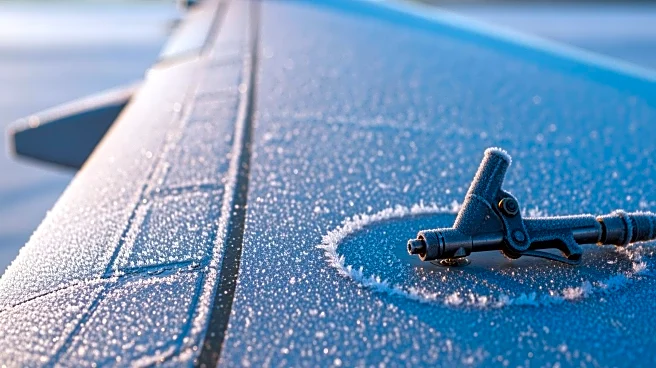
600 jet, en route from Houston to France, remained on the ground for 17 minutes after deicing, exceeding the Federal Aviation Administration's (FAA) recommended maximum of 9 minutes. The crash occurred in January during a snowstorm, and the plane crashed upside down on the runway, bursting into flames. The NTSB report suggests that snow and ice contamination on the right wing may have led to a loss of control at liftoff. The FAA has previously issued guidelines to ensure that all frozen particles are removed from aircraft wings to prevent such incidents.
Why It's Important?
This incident underscores the critical importance of adhering to deicing guidelines to ensure aviation safety, particularly in cold weather conditions. The crash highlights potential gaps in pilot training and airport procedures regarding deicing, which could have broader implications for aviation safety standards. The tragedy also raises questions about the experience of the flight crew in handling cold weather operations. The findings could lead to stricter enforcement of deicing protocols and potentially influence future regulatory changes by the FAA to prevent similar accidents.
What's Next?
The NTSB will continue its investigation to determine the exact cause of the crash, with a final report expected next year. The investigation will examine the crew's experience, the deicing procedures at the airport, and the quality of the chemicals used. The FAA may consider revising its guidelines based on the final findings to enhance safety measures. The aviation industry and regulatory bodies will likely scrutinize the incident to improve safety protocols and prevent future occurrences.