

What's Happening?
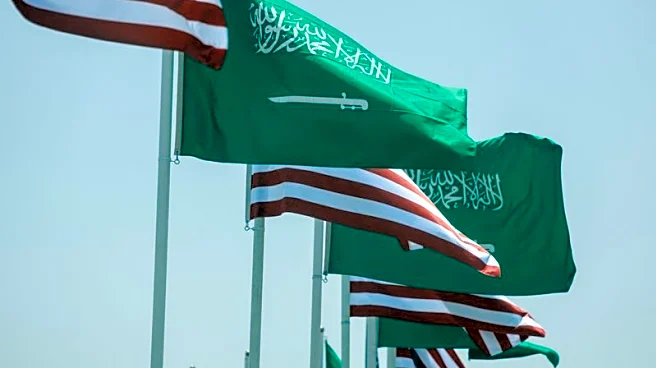
Saudi Arabia may gain the capability to enrich uranium under a proposed nuclear deal with the United States, according to congressional documents and an arms control group. This development raises concerns about nuclear proliferation, especially as tensions
between Iran and the U.S. persist. Both President Trump and President Biden have attempted to negotiate a nuclear agreement with Saudi Arabia to share American technology. Nonproliferation experts warn that allowing Saudi Arabia to operate centrifuges could lead to a potential weapons program, a possibility that Saudi Crown Prince Mohammed bin Salman has hinted at if Iran acquires a nuclear bomb. The proposed deal would involve the U.S. and Saudi Arabia entering into safeguard agreements with the International Atomic Energy Agency (IAEA) to oversee sensitive areas of nuclear cooperation, including enrichment and fuel fabrication.
Why It's Important?
The potential for Saudi Arabia to enrich uranium under a U.S. deal is significant due to the geopolitical implications in the Middle East. If Saudi Arabia develops nuclear capabilities, it could alter the balance of power in the region, particularly in relation to Iran, which has been enriching uranium to near weapons-grade levels. This development could also set a precedent for other nations seeking nuclear technology, potentially undermining global nonproliferation efforts. The deal could be lucrative for the U.S., potentially worth billions, and aims to enhance American national security interests by countering the influence of other nuclear technology exporters like China and Russia. However, it also poses risks of escalating nuclear arms competition in the region.
What's Next?
If the deal proceeds, Saudi Arabia and the U.S. will need to finalize safeguard agreements with the IAEA to ensure compliance with nonproliferation norms. The international community, particularly countries in the Middle East, will closely monitor these developments. Potential reactions from Iran and other regional powers could influence the stability of the region. The U.S. Congress may also scrutinize the deal, considering the proliferation risks and the strategic implications for U.S. foreign policy. The outcome of this deal could impact future U.S. nuclear agreements with other countries.
Beyond the Headlines
The ethical and strategic dimensions of this potential deal are complex. While nuclear cooperation can promote peaceful energy use, the risk of nuclear weapons proliferation remains a critical concern. The deal could challenge existing nonproliferation frameworks and raise questions about the U.S.'s role in global nuclear governance. Additionally, the agreement may influence Saudi Arabia's domestic and foreign policy, potentially affecting its relations with neighboring countries and its stance on regional security issues.