


What's Happening?
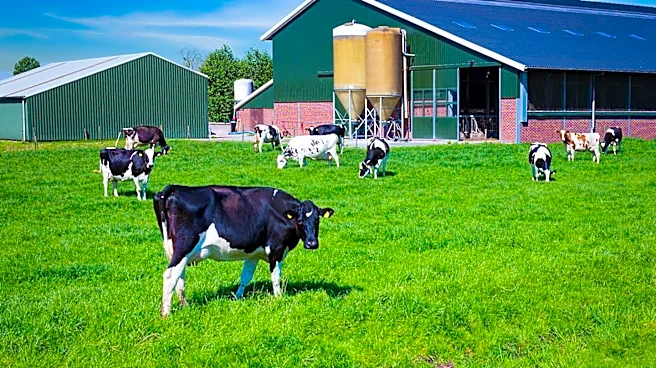
The Ulster Farmers’ Union (UFU) Environment Committee is actively engaged in addressing significant environmental challenges facing Northern Ireland farmers, particularly those related to ammonia emissions and climate change. Planning issues linked to ammonia emissions are
creating major obstacles for farmers looking to invest in or replace livestock buildings. The UFU is collaborating with legal and technical advisors to find practical solutions and is pressing the Department of Agriculture, Environment and Rural Affairs (DAERA) and the Northern Ireland Environment Agency (NIEA) for progress. Additionally, the UFU continues to voice concerns about the long-term implications of the Climate Change Act targets and their potential impact on livestock production. The committee advocates for a review of aspects of both the Climate Change Act and Habitats Directive to ensure future policies are balanced and evidence-based, while also discussing the Carbon Footprinting scheme's conditionality within the Farm Sustainability Programme.
Why It's Important?
The issues faced by Northern Ireland farmers regarding ammonia emissions and climate change targets reflect broader challenges within the agricultural sector, including in the U.S. The difficulty in obtaining planning permission for livestock infrastructure due to environmental regulations can stifle investment and modernization, impacting food production efficiency and farmer livelihoods. For the U.S., this highlights the need for regulatory frameworks that balance environmental protection with agricultural viability. The UFU's concerns about the Climate Change Act's impact on livestock production underscore the tension between ambitious climate goals and the practical realities of farming. This is relevant to U.S. policy discussions on agricultural emissions, where striking a balance between reducing environmental impact and maintaining a robust food supply is crucial. The call for evidence-based and balanced policies resonates with U.S. agricultural stakeholders who seek practical and effective environmental solutions that do not unduly burden farmers.
What's Next?
The UFU will continue to lobby DAERA, NIEA, and political representatives to ensure that farmers' concerns are integrated into environmental policy. This includes advocating for timely responses to industry proposals regarding ammonia emissions and seeking clarity on the future of soil sampling schemes. The committee will also monitor the development of programs like the Farming with Nature scheme, pushing for practical, well-funded, and accessible initiatives. For the broader agricultural community, including in the U.S., these discussions suggest a future where environmental regulations will increasingly shape farming practices and infrastructure development. There will likely be continued pressure for agricultural sectors to reduce emissions and enhance biodiversity, necessitating ongoing dialogue between farmers, policymakers, and environmental agencies to develop workable solutions. The emphasis on evidence-based policy will drive further research into sustainable farming methods and their economic implications.
Beyond the Headlines
The challenges faced by Northern Ireland farmers delve into the complex interplay between environmental protection, economic sustainability, and food security. The stringent regulations on ammonia emissions, while aimed at protecting ecosystems, can inadvertently hinder agricultural development and innovation. This raises ethical questions about the societal cost of environmental policies and whether the burden is equitably distributed. Culturally, farming communities often feel a deep connection to the land and a responsibility to steward it, yet they also face economic pressures that can conflict with environmental mandates. The UFU's advocacy for a balanced approach highlights the need for policies that recognize farmers as key partners in environmental solutions, rather than solely as sources of environmental problems. This situation underscores a long-term shift in agricultural policy globally, moving towards integrated approaches that consider ecological health, economic viability, and social equity in food production systems.