





What's Happening?
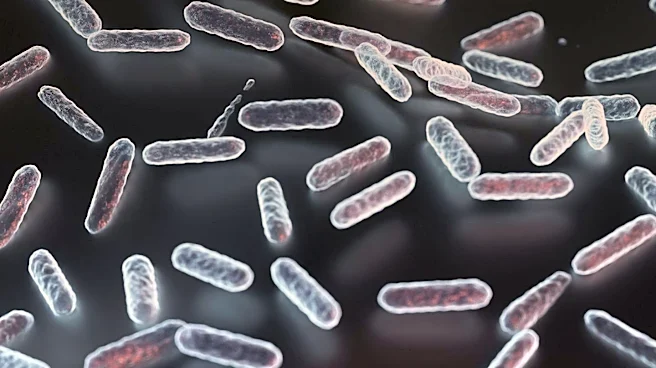
Researchers have identified a combination of FDA-approved compounds that effectively inhibit the ExoU toxin produced by Pseudomonas aeruginosa, a bacterium responsible for severe infections such as microbial keratitis. The study screened 3,034 FDA-approved compounds and
found zinc pyrithione, bismuth subcitrate, and polymyxin B to be effective in inhibiting ExoU without affecting human cells. These compounds work through distinct mechanisms, such as disrupting ExoU oligomerization and protein stability, impairing membrane association, and directly inhibiting catalysis. The combination of these compounds significantly reduced ExoU-mediated cytotoxicity in various models, including ex vivo porcine corneas and in vivo mouse keratitis models, without reducing bacterial load. This research supports the potential repurposing of these compounds as an antivirulence strategy for treating P. aeruginosa infections.
Why It's Important?
The findings are significant as they offer a new approach to treating infections caused by Pseudomonas aeruginosa, which is known for its resistance to antibiotics and its role in severe infections, particularly in immunocompromised individuals. By targeting the ExoU toxin directly, these compounds could mitigate tissue damage and improve clinical outcomes without contributing to antibiotic resistance. This antivirulence strategy could complement existing antimicrobial therapies, potentially reducing the selective pressure for resistance and preserving the efficacy of current antibiotics. The study highlights the feasibility of repurposing existing drugs, which could expedite the development of new treatments and reduce associated costs.
What's Next?
Future research will likely focus on further validating these findings in clinical settings and exploring the potential for these compounds to be integrated into standard treatment protocols for Pseudomonas aeruginosa infections. Additional studies may investigate the long-term effects of these compounds on bacterial virulence and host tissue integrity. Regulatory approval processes for repurposing these drugs for new indications will also be a critical step in bringing these treatments to market. Collaboration with pharmaceutical companies and healthcare providers will be essential to ensure the successful translation of these findings into clinical practice.
Beyond the Headlines
The study underscores the potential of antivirulence strategies as a paradigm shift in infectious disease treatment. By focusing on neutralizing bacterial toxins rather than killing the bacteria, this approach may preserve the host microbiota and reduce the risk of developing antibiotic resistance. The research also highlights the importance of interdisciplinary collaboration in drug discovery, combining insights from microbiology, pharmacology, and clinical medicine to address complex health challenges. As the threat of antibiotic resistance continues to grow, innovative strategies like this could play a crucial role in safeguarding public health.