


What's Happening?
The United States has officially lost its measles elimination status, a designation it held since 2000. This means measles has been spreading continuously within the U.S. for at least 12 months. The resurgence is attributed to declining vaccination rates
in many communities, leaving more people vulnerable to infection. Measles cases have dramatically increased across the country, leading to larger and more difficult-to-contain outbreaks. Previously, outbreaks were typically contained quickly due to high vaccination rates, often stemming from unvaccinated individuals traveling abroad. Now, people are contracting measles in everyday settings without international travel. Measles is a highly contagious disease that can lead to serious complications, including pneumonia, blindness, brain damage, and death, and can also weaken the immune system's memory.
Why It's Important?
The loss of measles elimination status signifies a significant setback for public health in the U.S. It indicates a failure to maintain the high vaccination coverage (at least 95%) necessary for herd immunity, which protects those who cannot be vaccinated, such as young infants, pregnant individuals, and immunocompromised people. This development increases the risk of widespread outbreaks, placing a greater burden on healthcare systems and potentially leading to more severe illnesses and fatalities. The return of measles also highlights the impact of vaccine hesitancy and misinformation on community health, reversing decades of progress in controlling preventable diseases. Re-establishing high vaccination rates is crucial to protect vulnerable populations and prevent further public health crises.
What's Next?
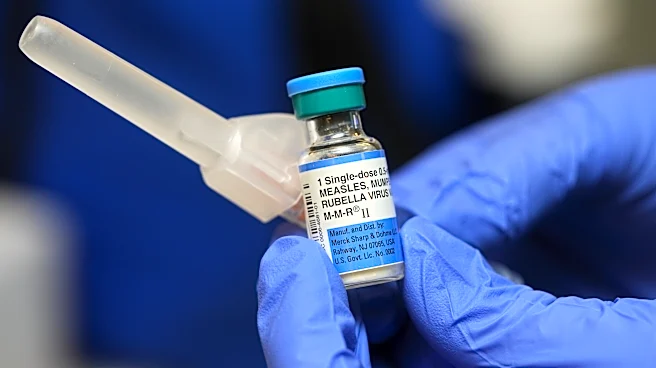
Public health officials are urging individuals and families to verify their vaccination records and get vaccinated if they lack immunity. The immediate goal is to increase MMR (measles, mumps, and rubella) vaccination rates back to 95% or higher to re-establish community immunity and regain measles elimination status. This will involve renewed efforts in public health education, community outreach, and ensuring easy access to vaccination services. Healthcare providers will play a critical role in counseling patients about the importance and safety of the MMR vaccine. The focus will be on preventing further spread and protecting vulnerable groups, particularly as holiday travel and gatherings increase the risk of transmission.
Beyond the Headlines
The re-emergence of measles in the U.S. reflects deeper societal challenges related to public trust in institutions, the spread of misinformation, and the erosion of collective responsibility for public health. The decline in vaccination rates is not merely a medical issue but a complex socio-cultural phenomenon. This situation could trigger broader discussions about the role of public health messaging, the regulation of health-related information online, and strategies to combat vaccine hesitancy. Long-term implications could include increased healthcare costs, potential for other vaccine-preventable diseases to resurface, and a re-evaluation of public health communication strategies to effectively reach and inform diverse communities. The loss of elimination status serves as a stark reminder of the fragility of public health achievements when community immunity falters.