

What's Happening?
The ongoing conflict in the Persian Gulf has exacerbated fertilizer shortages, significantly impacting U.S. farmers' planting decisions. Russell Hedrick, a prominent farmer in North Carolina, reports that rising fertilizer costs and supply disruptions
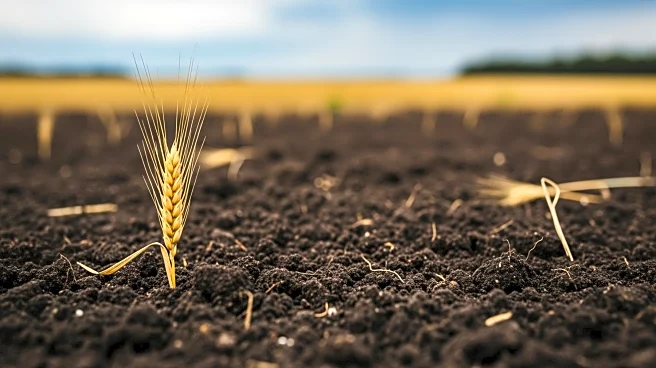
are forcing many farmers to alter their crop plans. With fertilizer prices soaring, some farmers are switching from corn to soybeans, which require less fertilizer, while others are reducing inputs or abandoning leases. The crisis is expected to lead to a decline in both crop yields and acreage, with potential long-term effects on the agricultural sector.
Why It's Important?
The fertilizer crisis poses a significant threat to U.S. agriculture, potentially leading to reduced crop yields and higher food prices. As fertilizer costs account for a substantial portion of farming expenses, the current shortages could undermine the financial viability of many farms. The situation highlights the vulnerability of global supply chains and the need for more resilient agricultural practices. Policymakers and industry leaders must address these challenges to ensure food security and support the agricultural economy. The crisis also underscores the importance of diversifying supply sources and investing in sustainable farming technologies.
What's Next?
In response to the crisis, U.S. agricultural organizations are urging the government to revoke countervailing duties on phosphate fertilizer imports and consider broader measures to stabilize the market. These efforts may include enhancing domestic production capacity, improving supply chain transparency, and exploring alternative fertilizers. The outcome of these initiatives will be critical in determining the future resilience of the U.S. agricultural sector. Continued monitoring of global market conditions and proactive policy measures will be essential to mitigating the impact of the crisis.