



What's Happening?
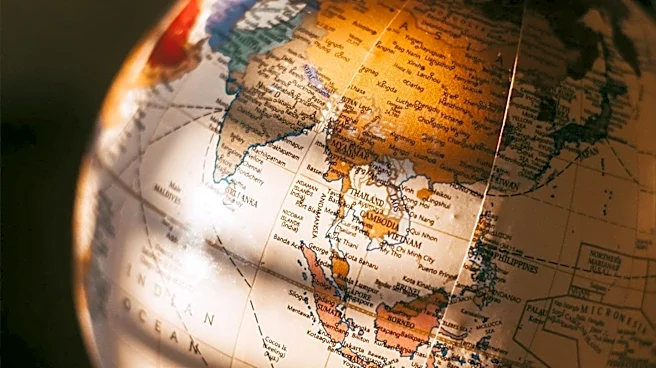
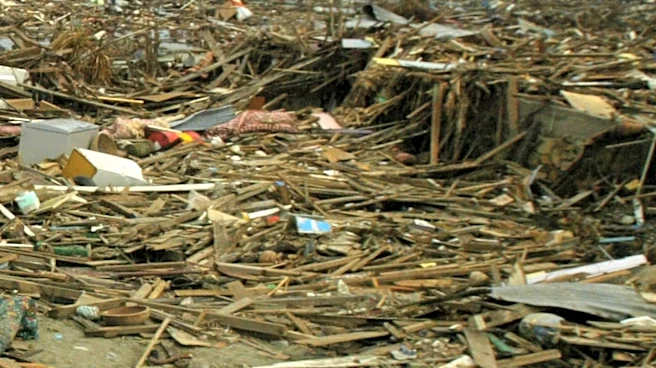
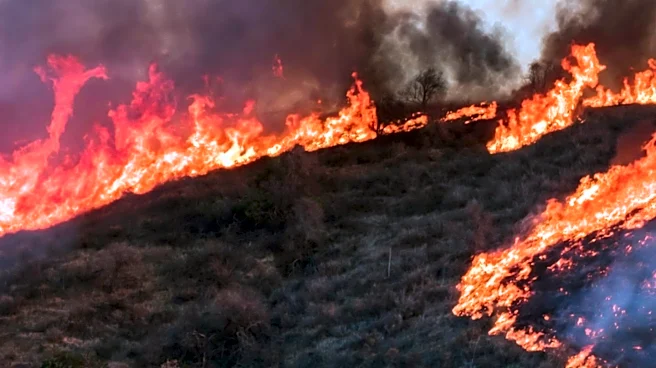
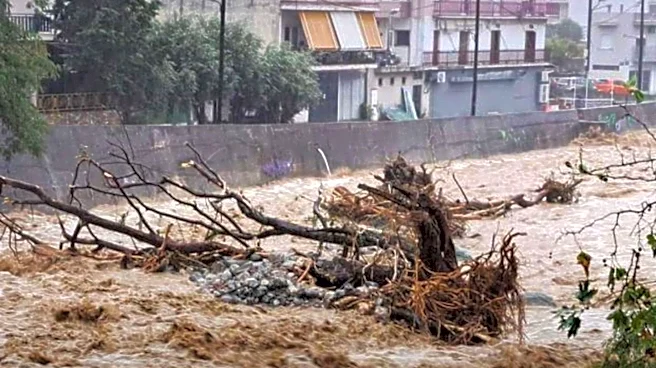
Deli Serdang Regency in North Sumatra, Indonesia, was hit by 15 natural disasters throughout 2026, according to data from the National Disaster Mitigation Agency (BNPB). The most prevalent type of disaster was extreme weather, accounting for 9 incidents,
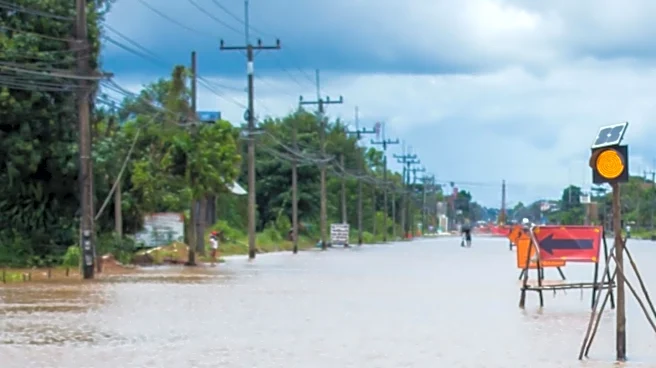
or 60% of the total. Floods were the second most common, with 5 incidents (33.3%), followed by one landslide (6.7%). These events significantly impacted the region, affecting and displacing 67,026 people. The disasters also resulted in 5 fatalities and 4 injuries. In addition to human casualties, a substantial amount of infrastructure was damaged, with 7,957 housing units reported to have sustained damage across the regency. The recurring nature of these events highlights the vulnerability of the area to various natural phenomena, particularly extreme weather patterns.
Why It's Important?
While this report focuses on Deli Serdang Regency in Indonesia, it underscores a global trend of increasing natural disaster frequency and intensity, which has significant implications for the United States. The U.S. faces similar challenges with extreme weather events, floods, and landslides, leading to substantial economic losses, displacement, and human impact. The data from Deli Serdang serves as a stark reminder of the importance of robust disaster preparedness, mitigation strategies, and effective response mechanisms. For the U.S., this translates to continued investment in climate resilience infrastructure, early warning systems, and community preparedness programs. The economic burden of such disasters, including damage to housing and infrastructure, can strain local and national resources, affecting insurance markets and government aid programs. Understanding the patterns and impacts in other regions can inform U.S. policy and resource allocation to better protect its own communities from similar threats.
What's Next?
For Deli Serdang Regency, the immediate next steps will likely involve continued recovery efforts for the affected populations and damaged infrastructure. This includes providing aid to displaced individuals, rebuilding homes, and restoring essential services. Long-term strategies will need to focus on enhancing disaster resilience, which may involve improving early warning systems, developing more robust infrastructure capable of withstanding extreme weather, and implementing land-use planning that considers natural hazard risks. For the U.S., the ongoing global trend of increased natural disasters suggests a continued need for proactive measures. This includes further development of climate adaptation plans, investment in resilient infrastructure projects, and strengthening inter-agency coordination for disaster response. Additionally, there will likely be continued discussions on funding for federal agencies like FEMA, as communities across the U.S. grapple with the escalating costs and impacts of natural disasters.
Beyond the Headlines
The recurring natural disasters in Deli Serdang Regency, and similar events globally, point to deeper implications beyond immediate damage and recovery. These events often exacerbate existing social inequalities, as vulnerable populations with fewer resources are disproportionately affected and have greater difficulty recovering. There are also significant psychological impacts on communities that experience repeated trauma from disasters, leading to long-term mental health challenges. Environmentally, the increased frequency of extreme weather events highlights the urgent need for global climate action and sustainable development practices to mitigate future risks. For the U.S., these broader implications translate into a need for equitable disaster recovery policies, mental health support integrated into disaster response, and a continued commitment to addressing climate change at both national and international levels. The interconnectedness of global climate patterns means that events in one region can offer critical lessons and underscore the urgency of action in others.