









What's Happening?
Keystone Appalachian Transmission Company (KATCo), a transmission subsidiary of FirstEnergy Corp., is participating in a $20.8 million grid modernization initiative in Pennsylvania. This project, known as the Advanced Transmission Technologies for Reliable
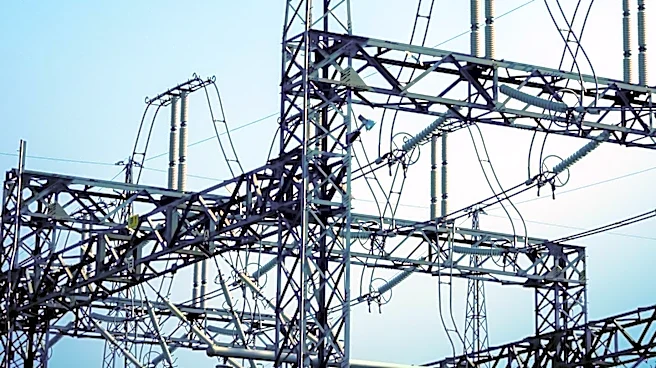
and Efficient Energy Supply (ATREES), is led by EPRI, an independent, non-profit energy research and development organization, and is supported by the U.S. Department of Energy’s SPARK program. The initiative aims to evaluate advanced technologies to enhance the reliability and increase the capacity of the existing transmission system. KATCo plans to install advanced equipment on a transmission line between Butler and Karns City in western Pennsylvania. This equipment will include Dynamic Line Ratings, which use sensors and real-time data to provide accurate insights into transmission line performance, and Advanced Power Flow Controllers, designed to manage electricity flow more efficiently across the network. The goal is to optimize the use of current infrastructure to meet future energy demands without immediately requiring new upgrades or lines.
Why It's Important?
This initiative is crucial for Pennsylvania and the broader U.S. electric grid as it addresses the growing demand for electricity and the need for enhanced reliability. By evaluating and implementing advanced technologies like Dynamic Line Ratings and Advanced Power Flow Controllers, the project seeks to make the existing transmission infrastructure smarter and more efficient. This can lead to improved service reliability for thousands of homes and businesses, reduce congestion on the grid, and provide additional capacity to support economic development. The insights gained from this pilot project will be vital for guiding future investments in Pennsylvania’s electric grid, ensuring that resources are allocated effectively to minimize costs for customers while maximizing benefits. The collaboration between utilities, regulators, and technology leaders, along with federal funding, highlights a concerted effort to build a more resilient and responsive energy infrastructure.
What's Next?
Work on the project is anticipated to commence in early 2027 and will continue over several years. During this period, participating organizations will evaluate the performance and potential applications of the advanced technologies being tested. The findings from this pilot in western Pennsylvania will inform decisions about broader implementation across FirstEnergy’s transmission network and potentially other regions. Similar pilot projects are expected to begin in Ohio and West Virginia next year, providing additional opportunities to assess advanced transmission technologies and share lessons learned. The long-term goal is to develop strategies that allow the existing grid to meet future energy needs more effectively, potentially delaying or reducing the need for costly new transmission line construction, and ultimately ensuring a more reliable and affordable electricity supply for consumers.
Beyond the Headlines
The ATREES project represents a broader shift in how the U.S. is approaching grid modernization, moving towards leveraging existing infrastructure more intelligently through technology rather than solely relying on new construction. This approach has significant implications for environmental sustainability by potentially reducing the footprint of new transmission lines and for economic efficiency by optimizing current assets. The focus on real-time data and automated controls also points to an increasingly digitalized and interconnected grid, which brings both opportunities for enhanced performance and challenges related to cybersecurity and data management. The success of such initiatives could set a precedent for how other states and utilities manage their aging infrastructure, balancing the need for reliability and capacity with cost-effectiveness and environmental considerations in an evolving energy landscape.