






What's Happening?
China has increased its liquefied natural gas (LNG) imports for the second consecutive month, with June imports rising by 8.3% year-on-year to 5.68 million tons. This increase comes as China, the world's largest LNG buyer, prepares for peak summer power
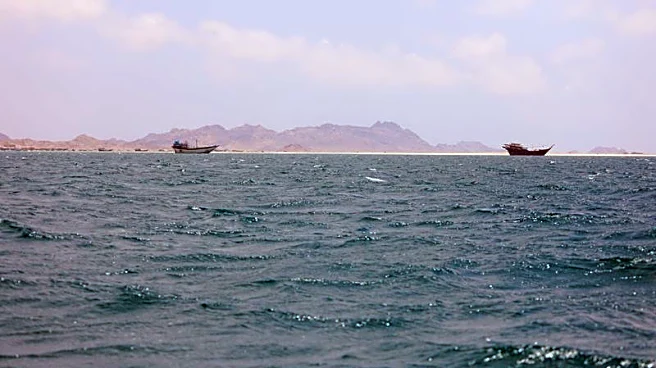
demand. The rise in imports follows a period of declining LNG cargo arrivals earlier in the year. The renewed hostilities in the Middle East and the closure of the Strait of Hormuz have tightened the global LNG market, leading to increased competition for alternative cargoes. In response, Chinese state LNG importers, including PetroChina and Sinopec, are negotiating long-term supply deals with exporters outside the Gulf region to reduce reliance on Persian Gulf deliveries.
Why It's Important?
China's strategic move to secure long-term LNG supplies is significant for the global energy market. By diversifying its supply sources, China aims to mitigate risks associated with geopolitical tensions in the Middle East, particularly the Strait of Hormuz, a critical chokepoint for global energy shipments. This strategy could lead to a shift in global LNG trade patterns, with Asia potentially outbidding Europe for available cargoes. The increased demand from China may drive up global LNG prices, impacting energy costs worldwide. Additionally, this development underscores the importance of energy security and diversification in the face of geopolitical uncertainties.
What's Next?
As China continues to negotiate long-term LNG contracts, the global LNG market may experience further tightening, with potential price increases. European countries, already facing low gas storage levels, may need to explore alternative energy sources or increase their LNG imports to meet demand. The outcome of China's negotiations could influence future LNG trade routes and pricing structures. Stakeholders in the energy sector, including exporters and importers, will likely monitor these developments closely to adjust their strategies accordingly.