






What's Happening?
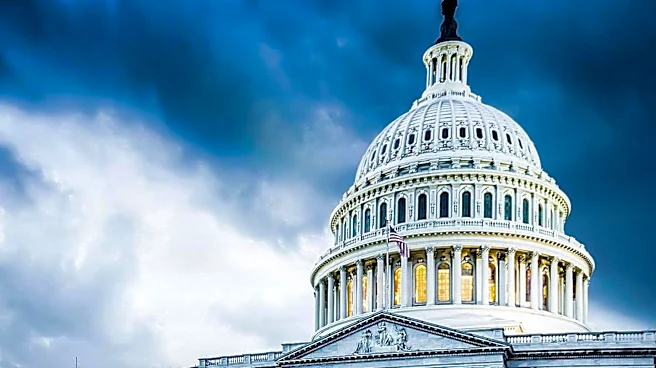
Congresswoman Betty McCollum (D-MN) and Congressman Glenn “GT” Thompson (R-PA) have jointly reintroduced a bipartisan resolution to officially designate August 17 as National Nonprofit Day. This initiative aims to acknowledge the significant contributions
of the 1.3 million nonprofit organizations and their 12 million employees across the United States. These organizations provide essential services at local, national, and international levels, ranging from food shelves and after-school programs to elder care. Congresswoman McCollum emphasized that nonprofits are fundamental to communities and the economy, employing over 12 million Americans, including 370,000 Minnesotans. The resolution seeks to honor these individuals and ensure the sector receives the necessary support to continue its vital work. In addition to this resolution, Congresswoman McCollum has historically collaborated with nonprofit organizations to bolster the sector and its engagement with the federal government through the Nonprofit SEAT Act, which aims to give nonprofits a more direct voice in policy decisions affecting their work and the communities they serve.
Why It's Important?
The reintroduction of the National Nonprofit Day resolution is important because it formally recognizes the substantial economic and social impact of the nonprofit sector in the U.S. Nonprofits are not only major employers, contributing significantly to the national workforce, but they also deliver critical services that address a wide array of societal needs that might otherwise go unmet. This recognition can elevate public awareness of the sector's importance, potentially fostering greater public and private support through donations, volunteerism, and policy advocacy. For the 12 million nonprofit employees, including those in Minnesota and Pennsylvania, this designation validates their efforts and highlights their role as the 'backbone' of communities. Furthermore, the associated Nonprofit SEAT Act, championed by Congresswoman McCollum, aims to empower these organizations by providing them a more direct channel to influence federal policy, ensuring that their on-the-ground experiences and expertise are considered in legislative processes. This could lead to more effective and responsive policies that better serve communities nationwide.
What's Next?
Following the reintroduction of the resolution, the next step will involve its progression through the legislative process in Congress. The bipartisan nature of the sponsorship by Congresswoman McCollum and Congressman Thompson suggests a potential for broader support, which could facilitate its passage. If passed, August 17 would officially become National Nonprofit Day, leading to increased public awareness campaigns and events celebrating the sector's contributions. This could also spur further legislative efforts to support nonprofits, potentially including renewed focus on the Nonprofit SEAT Act or similar initiatives aimed at strengthening the sector's voice in policy-making. Stakeholders, including nonprofit organizations, their employees, and the communities they serve, will likely engage in advocacy to encourage congressional approval and leverage the designation to highlight their work and needs. The resolution's success could set a precedent for future governmental recognition of other vital, yet often overlooked, sectors.
Beyond the Headlines
Beyond the immediate recognition, the establishment of National Nonprofit Day and the ongoing efforts to empower the nonprofit sector through legislation like the Nonprofit SEAT Act could have profound long-term implications for civic engagement and democratic participation. By giving nonprofits a more direct voice in policy decisions, these initiatives could foster a more inclusive governance model where community-level insights directly inform national policy. This could lead to more tailored and effective solutions for complex social issues, as nonprofits often possess unique expertise and direct connections to the populations they serve. Ethically, this move underscores a societal value placed on collective well-being and community support, potentially encouraging a cultural shift towards greater appreciation and investment in social good. It also highlights the evolving role of government in partnering with civil society to address challenges, moving beyond traditional top-down approaches to a more collaborative framework that leverages the strengths of diverse organizations.