
What's Happening?
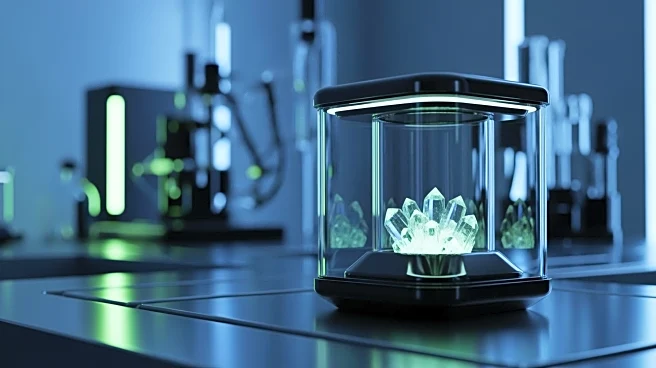
Meteoric has inaugurated a rare earth extraction laboratory in Poços de Caldas, Brazil, marking a significant step in the country's mineral processing capabilities. The facility, part of the Caldeira Project,
is a pilot plant designed to test and refine processes for extracting rare earth elements. Despite the laboratory's opening, the larger Caldeira mine project remains stalled due to delays in obtaining environmental licenses from the State Council for Environmental Policy (COPAM). The laboratory aims to process 500 kg of mixed rare earth carbonate annually, a small scale compared to the planned 18,000 tons per year extraction rate for the mine. The facility is under nuclear surveillance due to the potential radioactivity of the ores involved, with oversight by the National Nuclear Safety Authority.
Why It's Important?
The development of the rare earth extraction laboratory is crucial for Brazil's ambitions to become a significant player in the global rare earth market. Rare earth elements are essential for various high-tech applications, including electronics, renewable energy, and defense. By establishing a domestic processing capability, Brazil could reduce its reliance on imports and enhance its strategic autonomy in these critical sectors. However, the ongoing delays in environmental licensing highlight the challenges of balancing industrial development with environmental and community concerns. The outcome of the licensing process will significantly impact the project's future and Brazil's position in the global rare earth supply chain.
What's Next?
The next steps involve addressing the environmental and safety concerns that have delayed the licensing process. Meteoric has submitted technical reports to COPAM and the Federal Public Prosecutor's Office to address these issues. The company hopes to resume the licensing process soon, which is crucial for scaling up operations to a commercial level. The laboratory's operations will provide valuable data on process efficiency and environmental impact, potentially influencing the licensing decision. Stakeholders, including local communities and environmental groups, will likely continue to scrutinize the project's impact, making public engagement and transparency key to moving forward.
Beyond the Headlines
The establishment of the laboratory also underscores the strategic importance of the Poços de Caldas region, which is one of the world's largest deposits of rare earth elements. The region's potential to supply a significant portion of global demand could position Brazil as a major player in the rare earth market. However, this potential also brings challenges, such as ensuring sustainable and responsible mining practices. The project's success could set a precedent for future mining initiatives in Brazil, influencing regulatory frameworks and industry standards.