
What's Happening?
Jamaica is facing significant economic challenges following Hurricane Melissa, which has exposed the country's dependency on foreign labor due to its past policies on Haitian migrants. For years, Jamaica has repelled
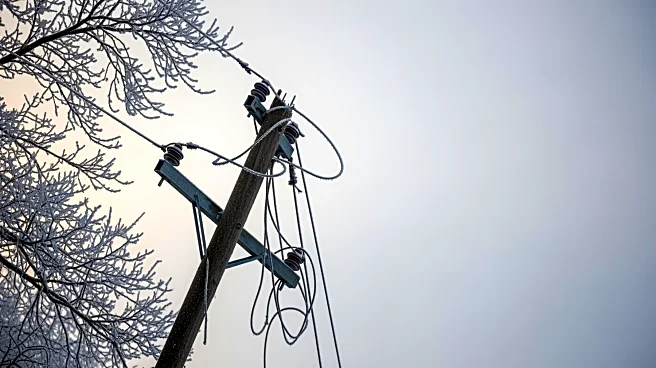
and detained Haitian migrants, ignoring warnings from human-rights advocates about the strategic foolishness of such actions. This approach has led to a lack of skilled labor available for reconstruction efforts after the hurricane. As a result, Jamaica is now forced to import skilled labor from North America at a high cost. The situation highlights a policy failure where Jamaica's exclusionary practices have resulted in a self-inflicted vulnerability, as the country now pays premium prices for foreign contractors to restore essential services.
Why It's Important?
The situation underscores the broader implications of immigration policies on national resilience and economic stability. By excluding Haitian migrants, Jamaica missed the opportunity to integrate a skilled workforce that could have been crucial in post-disaster recovery. This has led to increased costs and dependency on foreign labor, which strains the national budget and highlights the importance of inclusive and strategic immigration policies. The case serves as a cautionary tale for other nations on the potential long-term economic impacts of exclusionary immigration practices. It also raises questions about the transparency and accountability of government decisions in labor contracting and disaster management.
What's Next?
Jamaica faces a critical decision on whether to reassess its immigration policies and labor practices. The government may need to consider implementing a more inclusive approach to immigration that allows for the integration of skilled labor from neighboring countries. This could involve establishing a regulated work-permit system that balances border control with humanitarian needs. Additionally, there may be increased scrutiny on the government's procurement processes and labor contracts, prompting calls for greater transparency and accountability. The situation could also lead to a broader regional dialogue on cooperation and solidarity among Caribbean nations in disaster preparedness and response.
Beyond the Headlines
The deeper implications of Jamaica's situation include potential shifts in regional dynamics and the country's international reputation. The exclusion of Haitian migrants has not only economic but also moral and ethical dimensions, as it reflects on Jamaica's commitment to human rights and regional solidarity. The situation may prompt a reevaluation of how countries balance national interests with humanitarian obligations. It also highlights the risks of policy decisions driven by short-term political gains rather than long-term strategic planning. The lessons learned could influence future policy-making in Jamaica and other countries facing similar challenges.