






What's Happening?
The city of Lowell has accepted a $2.5 million grant from the Massachusetts Department of Energy Resources. This funding, part of the Advancing Massachusetts Power Energy Storage Grant program, will be used to enhance climate and storm resiliency at the Lowell Water
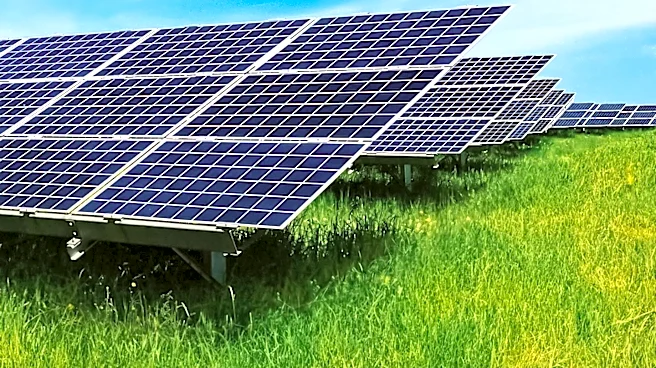
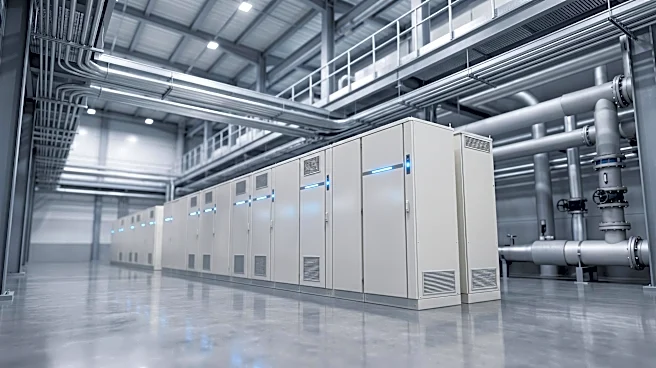
Treatment Facility on Pawtucket Boulevard. The grant will enable the city to acquire a large industrial battery capable of powering essential systems at the Water Utility for approximately eight hours during a power outage. This new battery system, which can provide up to 469 kilowatts of power from a 4,514 kilowatt-hour energy storage unit, will also be able to recharge itself using the facility's existing solar panel array. Mayor Erik Gitschier noted that the solar array has already saved the city over $300,000 in utility costs by producing more than 6 million kilowatt-hours of electricity. Energy Resources Commissioner Elizabeth Mahony highlighted that the clean energy stored by the battery system will also reduce monthly energy costs and generate revenue for the city, benefiting residents and businesses served by the Lowell Regional Water Utilities.
Why It's Important?
This grant is crucial for Lowell's infrastructure, particularly in the face of increasing extreme weather events caused by climate change, which can strain the electricity grid. Ensuring the continuous operation of critical facilities like the water treatment plant is vital for public health and safety, as power outages can disrupt essential services. The investment in a battery energy storage system, coupled with existing solar infrastructure, provides a reliable backup power source, safeguarding the community's access to clean drinking water during emergencies. Furthermore, the project contributes to environmental sustainability by utilizing clean energy and reducing reliance on fossil fuels, thereby preventing additional pollution. The financial benefits, including reduced energy costs and potential revenue generation, will alleviate the burden on taxpayers and businesses, demonstrating a sustainable model for critical infrastructure resilience. This initiative also sets a precedent for other communities to adopt similar climate resiliency measures, promoting broader regional stability and environmental stewardship.
What's Next?
Solect Energy will own the new battery system and manage the grant, with the Lowell Water Treatment Plant being the primary beneficiary. The implementation of the battery storage system is expected to proceed, integrating with the existing solar infrastructure. City Manager Tom Golden acknowledged Sustainability Director Katherine Moses for her role in securing this grant and her broader efforts in building the city's climate resiliency, which have brought approximately $32 million in funding to Lowell. The project will serve as a model for how cities can leverage state grants to modernize infrastructure, reduce operational costs, and enhance preparedness for climate-related challenges. Continued monitoring of the system's performance and its impact on energy costs and reliability will be essential. The success of this project could encourage further investments in similar clean energy and resiliency initiatives across Massachusetts and beyond.
Beyond the Headlines
The Lowell grant signifies a broader shift towards decentralized energy solutions and enhanced local resilience in the face of climate change. Beyond the immediate benefits of uninterrupted water supply and cost savings, this project underscores the growing recognition that critical infrastructure must be hardened against environmental threats. It highlights the importance of proactive planning and investment in sustainable technologies to protect essential services. The collaboration between municipal government, state agencies, and private energy companies like Solect Energy demonstrates a multi-stakeholder approach to addressing complex environmental and infrastructural challenges. This initiative also touches upon energy equity, as reduced utility costs can benefit all residents, particularly vulnerable populations who are often disproportionately affected by service disruptions and rising energy prices. The project's success could inspire a re-evaluation of traditional utility models, promoting more localized, renewable-powered grids that are less susceptible to widespread failures.