

What's Happening?
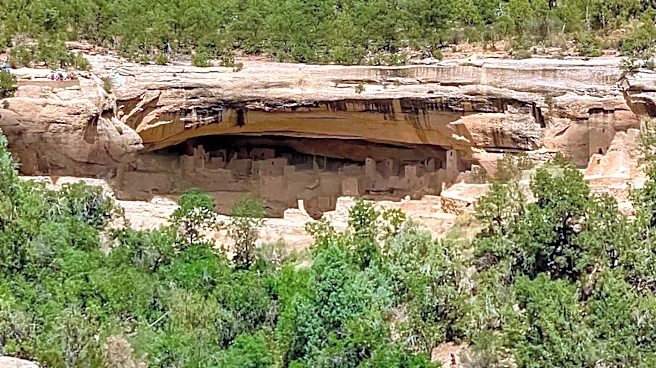
Mesa Verde National Park in Colorado and Organ Pipe Cactus National Monument in southern Arizona are being recognized as significant detour destinations for travelers exploring the U.S. Southwest. Mesa Verde National Park is unique for its focus on man-made
structures, specifically abandoned cliff dwellings, which are best experienced through ranger-led tours. This detour typically requires about two days and is situated between Monument Valley and Moab. Organ Pipe Cactus National Monument, located in southern Arizona, offers a distinct landscape featuring numerous cacti. It is suggested as a southern detour option for those traveling around the Sierra Nevada, particularly when the Tioga Pass is closed due to snow. While both locations are considered worthwhile, they are often recommended for a second trip to the region due to the time commitment involved.
Why It's Important?
The emphasis on these national parks as detour destinations underscores the rich cultural and natural heritage available within the U.S. Southwest beyond the most frequented sites. For the tourism industry, highlighting such locations can help distribute visitor traffic, potentially reducing overcrowding in more popular parks and supporting local economies in surrounding areas. For travelers, it offers opportunities for more in-depth and unique experiences, moving beyond typical itineraries. The mention of Mesa Verde's cliff dwellings provides a glimpse into ancient human history and architectural ingenuity, offering educational value. Organ Pipe Cactus National Monument showcases a distinct desert ecosystem, contributing to environmental awareness and appreciation for biodiversity. These recommendations can influence travel planning, encouraging longer stays and more comprehensive exploration of the region's diverse offerings.
What's Next?
Travelers planning trips to the U.S. Southwest will likely consider these detours when mapping out their itineraries, especially those with more flexible schedules or those making return visits to the region. Tour operators and travel guides may increasingly incorporate these destinations into their suggested routes, promoting a broader exploration of the Southwest. National Park Services for Mesa Verde and Organ Pipe Cactus National Monument might see an increase in visitor interest, potentially leading to adjustments in tour availability or resource management to accommodate growing numbers. The recommendation to visit Mesa Verde's cliff dwellings via ranger-led tours suggests a continued focus on guided experiences to preserve the sites and educate visitors. For those traveling during specific seasons, like when Tioga Pass is closed, Organ Pipe Cactus National Monument could become a more prominent alternative, influencing seasonal travel patterns.
Beyond the Headlines
Beyond their immediate appeal as tourist attractions, these sites represent significant cultural and ecological treasures. Mesa Verde National Park's cliff dwellings offer a tangible connection to the ancestral Pueblo people, providing insights into their way of life, architectural skills, and adaptation to the environment. This fosters a deeper understanding of indigenous history and the importance of cultural preservation. Organ Pipe Cactus National Monument, as a biosphere reserve, highlights the critical need for conserving unique desert ecosystems and their biodiversity. The challenges of balancing tourism with preservation are ever-present, and promoting detours to less-trafficked but equally significant sites can contribute to sustainable tourism practices. These locations also serve as educational platforms, raising awareness about environmental conservation and the rich tapestry of American history and natural landscapes.