




What's Happening?
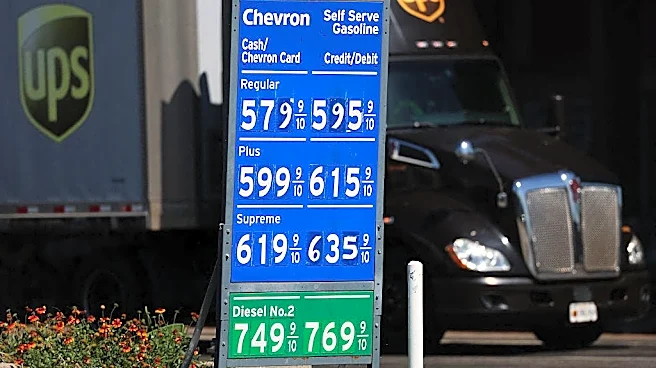
U.S. Rep. Don Beyer, a Democrat representing Alexandria, has publicly criticized the economic policies of President Trump and congressional Republicans, asserting that they have failed to reduce costs for American citizens. Beyer highlighted rising expenses
in healthcare, food, and fuel as key areas where consumers are experiencing financial strain. Drawing on his extensive background as a small business owner, Beyer emphasized his understanding of the fiscal challenges faced by the public. He stated that Republicans, despite controlling the House, Senate, and the White House, have done little to alleviate these burdens, instead using their power to support President Trump's actions, which he claims exacerbate economic problems. Beyer is currently seeking his seventh congressional term and is campaigning on a platform focused on lowering prices for American families.
Why It's Important?
This criticism is significant as it frames the upcoming November midterm elections around the critical issue of economic affordability, a concern that resonates widely with American voters. Beyer's remarks, supported by data from a left-leaning organization 'Unrig Our Economy' and a report from Democrats in the Congressional Joint Economic Committee, suggest that the average American has paid an additional $3,800 in basic household expenses since President Trump's second term began. For Virginians, this figure is approximately $3,200 more for goods and services. The focus on healthcare cuts, global tariffs, and defense spending as drivers of economic woes highlights a clear partisan divide on economic policy. This narrative aims to mobilize voters by directly linking current financial struggles to the policies of the incumbent administration and congressional majority, potentially influencing election outcomes in key districts.
What's Next?
As the November midterm elections approach, the debate over economic policies and their impact on everyday costs is expected to intensify. U.S. Rep. Don Beyer is urging voters to elect Democrats to Congress, promising that a Democratic majority would prioritize specific actions to lower prices. These proposed actions include repealing healthcare cuts, restoring trade authority to Congress to curb President Trump's trade wars, and ending what he describes as President Trump's 'illegal war with Iran.' His campaign strategy involves sharpening his message to focus on consumer costs under Republican leadership. Early voting in Virginia is set to begin on September 18, with Election Day on November 3, indicating a concentrated period of campaigning and public discourse on these economic issues.
Beyond the Headlines
The ongoing debate over the 'Republican price tag' and economic affordability extends beyond immediate election concerns, touching upon fundamental questions of governmental responsibility and economic philosophy. Beyer's argument suggests a long-term shift in economic burdens onto American households, raising ethical considerations about equitable wealth distribution and access to essential services. The emphasis on his small business background aims to establish credibility and connect with voters on a personal level, highlighting the broader cultural value placed on practical economic experience in political leadership. This discourse also underscores the persistent challenge of balancing national economic policies with the daily financial realities of individual citizens, a theme that will likely continue to shape U.S. political and economic discussions for years to come.