



What's Happening?
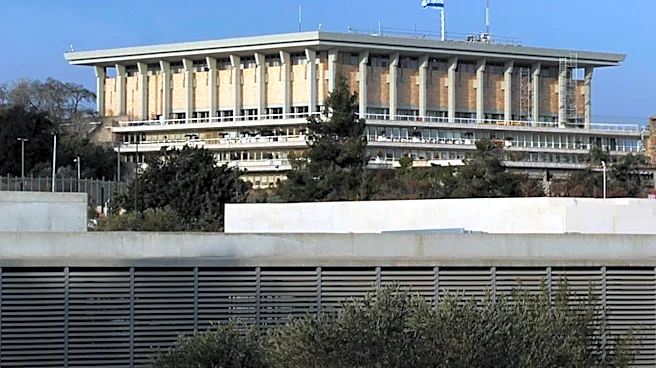
Israel's caretaker government, despite its transitional status, retains the authority to make urgent security decisions, as stipulated by Section 40 of the Basic Law: The Government. This law requires a government decision to initiate a war or a significant
military operation likely to lead to war. This authority can be delegated to a ministerial committee, such as the Security Cabinet, under specific legal conditions. The Prime Minister does not possess unilateral power to authorize such campaigns. While a caretaker government is expected to exercise restraint, especially concerning decisions that could bind its successor or create irreversible consequences, its powers are not automatically expanded or legally exempted during this period. Oversight by Knesset committees may be disrupted during the transition, but the government remains accountable for its decisions under existing law. This context is particularly relevant as the country navigates a period of political uncertainty following the October 27 election, which resulted in a divided Knesset and no clear path to forming a majority government.
Why It's Important?
The ability of a caretaker government to make critical security decisions has significant implications for regional stability, particularly concerning the ongoing conflict with Iran. The current political deadlock in Israel, where no single bloc has secured a majority, raises questions about how leaders might calculate risks and benefits during this transitional phase. Some regional observers suggest that a leader without a settled coalition might assess political costs differently, potentially leading to an escalation of military action. Such actions could invite retaliation against Israel, American forces, and Gulf infrastructure, potentially undermining diplomatic efforts and leaving the next government with a wider conflict. Conversely, a failed operation could damage public confidence and complicate coalition talks. The situation highlights the delicate balance between national security imperatives and political considerations during a government transition, with potential far-reaching consequences for both domestic politics and international relations.
What's Next?
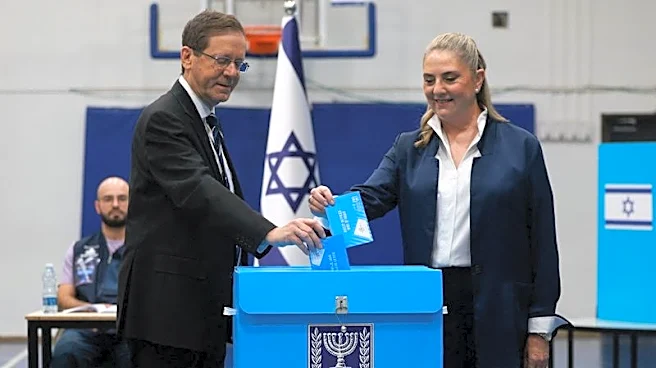
The immediate future will likely involve continued political negotiations to form a new government. President Isaac Herzog is expected to consult with party representatives before tasking a candidate with forming a government. This process could lead to various outcomes, including a unity arrangement, a minority government, defections, or even another election. In the interim, the caretaker government will continue to manage urgent security threats, operating under the legal framework that allows for critical decisions while emphasizing restraint. The ongoing diplomatic channels, such as the reported communication between Vice President JD Vance and Iranian security official Mohsen Rezaei, will also be closely watched for any developments that could influence the regional security landscape. The timing of any significant military action will be heavily scrutinized, especially given the potential for it to be perceived as a political maneuver rather than a purely security-driven decision.
Beyond the Headlines
The current situation in Israel underscores a broader challenge faced by democracies with fragmented political landscapes: how to maintain national security and strategic continuity during periods of governmental instability. The legal provisions allowing a caretaker government to make urgent security decisions are designed to prevent a power vacuum in critical areas, but they also introduce a layer of complexity. The perception that national security decisions could be influenced by coalition bargaining or domestic political calculations raises ethical and governance questions. It highlights the tension between the immediate need for decisive action in the face of threats and the long-term democratic principle of a stable, fully mandated government making such profound choices. This dynamic could set precedents for how future transitional governments handle high-stakes security issues, potentially influencing public trust and the legitimacy of governmental actions during periods of political flux.