






What's Happening?
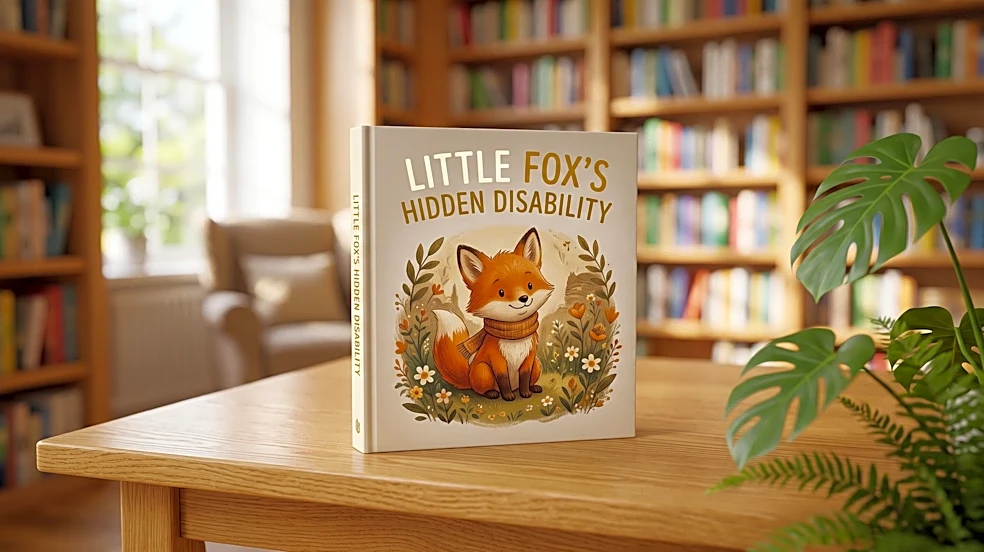
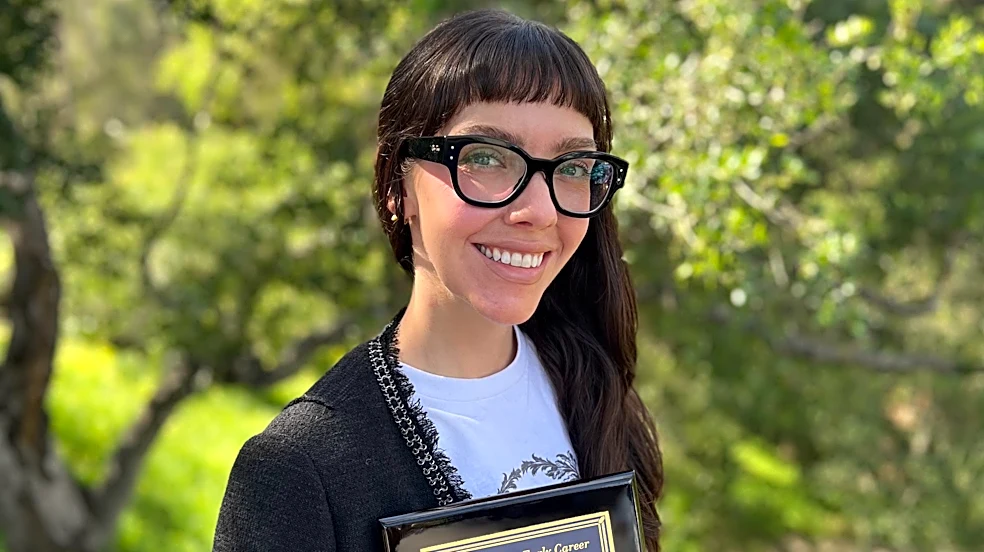
Adelaide children’s author Lisa McArthur-Collins has received a national award for her picture book, 'Little Fox’s Hidden Disability'. The book won the 'Celebrating Diversity' category at the SLVR Children’s Book Awards, held in Melbourne. It was also
a finalist in two other categories: 'Big Feelings and Beyond' and 'For The Greater Good'. The story centers on a young fox who discovers he has a disability that is not visible to others, highlighting that some disabilities are felt internally rather than seen. A key element of the narrative is the Hidden Disabilities Sunflower lanyard, which serves as a quiet signal for individuals with conditions such as autism, dyslexia, or chronic pain, indicating they may require additional time, help, or patience. McArthur-Collins, who is autistic and dyslexic and a mother to two autistic children, wrote the book to raise awareness about the sunflower lanyard initiative and educate the public on its meaning. The book is illustrated by Maira Qaisar and published by Little Wings Publishing.
Why It's Important?
This award-winning book plays a crucial role in fostering greater understanding and inclusivity for individuals with hidden disabilities. By educating children and adults about the Hidden Disabilities Sunflower lanyard, it helps to normalize and acknowledge conditions that are not immediately apparent, such as autism, dyslexia, and chronic pain. This increased awareness can lead to more patient and supportive interactions in public spaces like airports, major events, and shopping centers, where these lanyards are often worn. For those with hidden disabilities, the book provides a sense of validation and encourages a more empathetic societal response. Furthermore, a portion of the proceeds from the book's sales funds the distribution of Hidden Disabilities Sunflower lanyards, directly supporting individuals who can benefit from this discreet communication tool. This initiative contributes to a more compassionate and accessible environment, reducing potential misunderstandings and promoting a culture of acceptance.
What's Next?
The continued distribution and promotion of 'Little Fox’s Hidden Disability' are expected to further expand public awareness of hidden disabilities and the significance of the Hidden Disabilities Sunflower lanyard. As the book gains more recognition, it could lead to broader adoption of the sunflower lanyard initiative in various public and private sectors across Australia and potentially internationally. Educational institutions may consider incorporating the book into their curriculum to teach children about diversity and empathy from a young age. The success of this book might also inspire other authors and publishers to create more inclusive literature that addresses different forms of disability, contributing to a richer and more representative children's literature landscape. Lisa McArthur-Collins may also continue her advocacy work, potentially through speaking engagements or collaborations with disability organizations, to further champion understanding and support for individuals with hidden disabilities.
Beyond the Headlines
The success of 'Little Fox’s Hidden Disability' highlights a growing societal recognition of the diverse spectrum of human experiences, particularly concerning disabilities that are not outwardly visible. This shift challenges traditional perceptions of disability, moving beyond physical impairments to include neurological, cognitive, and chronic health conditions. The book's focus on the Hidden Disabilities Sunflower lanyard underscores a broader movement towards creating more inclusive public spaces through subtle, non-verbal communication tools. This approach empowers individuals to signal their needs discreetly, fostering independence while also educating the wider community. Ethically, the book promotes empathy and reduces stigma, encouraging a more understanding and accommodating society. Culturally, it contributes to a narrative where differences are celebrated and supported, rather than hidden or misunderstood. This development reflects a deeper societal commitment to accessibility and equity, aiming to ensure that all individuals, regardless of their visible or hidden conditions, can navigate the world with dignity and receive the support they require.