






What's Happening?
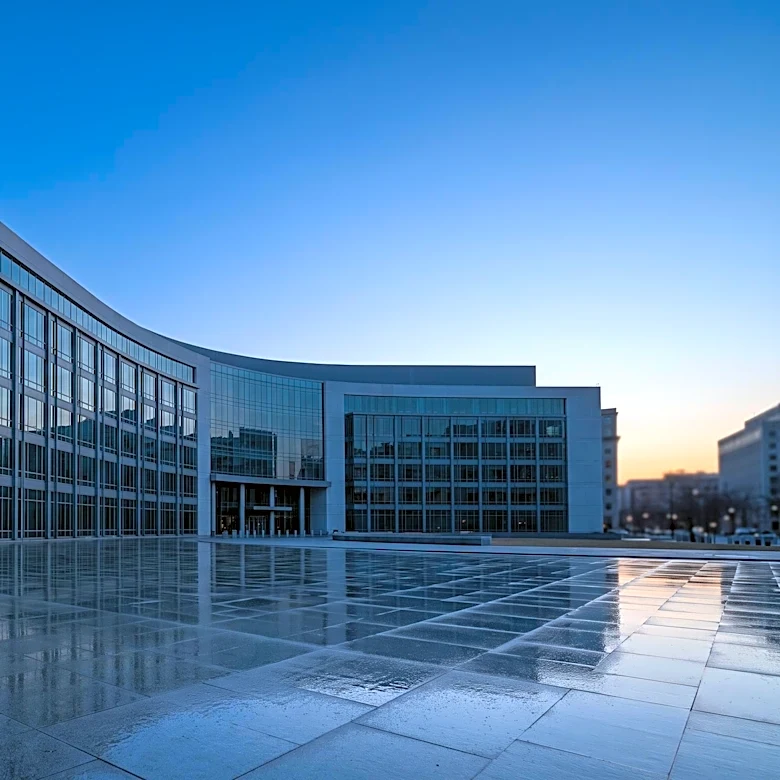
The Department of Housing and Urban Development (HUD) recently held its annual Innovative Housing Showcase (IHS) on the National Mall, with HUD Secretary Scott Turner pre-announcing the event and its 'Made in America' theme. However, the event has drawn
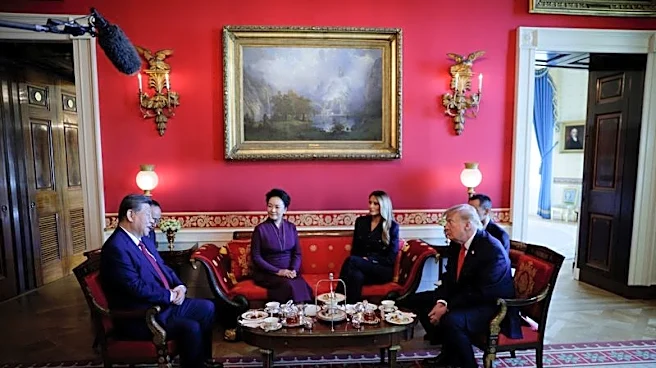
criticism regarding its timing and promotional efforts. The showcase occurred during a Congressional recess and coincided with a high-profile visit from China's President Xi Jinping, leading to concerns about reduced policymaker visibility and media attention. Critics, including Ed Pinto of the AEI Housing Center, suggest that the event's promotion was insufficient, with low viewership for HUD's promotional videos and a lack of prominent visibility on the Manufactured Housing Institute's (MHI) website. This has led to questions about whether the IHS effectively promotes manufactured housing as a solution to the affordable housing crisis or primarily serves as an 'illusion of motion' for public relations.
Why It's Important?
The effectiveness of the Innovative Housing Showcase is crucial given the severe affordable housing crisis in the U.S. If the event, intended to highlight solutions like manufactured homes, fails to attract significant attention from policymakers and the public, it represents a missed opportunity to address a pressing national issue. The critique that the event prioritizes optics over substantive policy leverage suggests that current efforts may not be translating into tangible growth for the manufactured housing industry, which has seen stagnant production levels despite high demand. This situation impacts millions of Americans seeking affordable housing and raises concerns about the strategic efficacy of industry advocacy groups and government initiatives in tackling the crisis.
What's Next?
The ongoing debate surrounding the IHS's impact may prompt HUD and industry stakeholders to re-evaluate their promotional strategies and timing for future events. To genuinely 'move the needle' on manufactured housing, there might be a push for more robust and targeted advocacy, potentially including a broad-based consumer marketing campaign similar to the RV industry's 'GoRVing' initiative. Additionally, there could be increased pressure to address systemic issues such as credit chokeholds and the underutilization of federal preemption laws that hinder the growth of manufactured housing. The effectiveness of these future efforts will be measured by their ability to significantly increase manufactured home production and improve housing affordability nationwide.
Beyond the Headlines
The critique of the Innovative Housing Showcase extends beyond mere event planning, touching upon deeper issues of industry governance and strategic priorities. The 'illusion of motion' argument suggests that some industry actions may be designed to maintain a status quo that benefits consolidated interests rather than fostering organic growth and widespread affordability. This raises ethical questions about the responsibility of industry leaders and government agencies to genuinely address public needs versus managing public perception. The long-term implications could include a continued struggle for affordable housing, a lack of innovation adoption, and a growing distrust in the efficacy of current solutions, unless a more transparent and outcome-oriented approach is adopted.