




What's Happening?
The National Oceanic and Atmospheric Administration (NOAA) plans to reconstruct its Beaufort Laboratory in North Carolina. The facility, which is the nation's second-oldest federal marine science laboratory established in 1899, was permanently closed
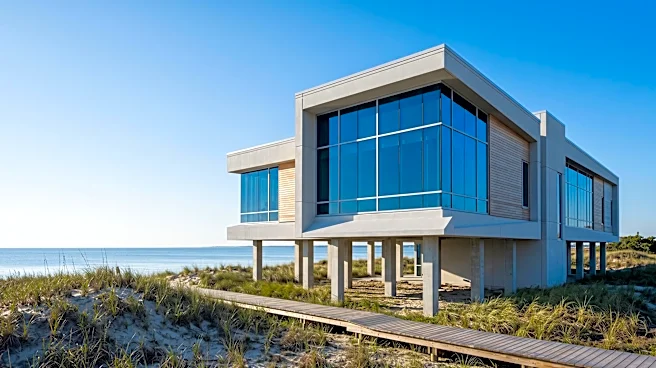
in 2024 due to structural damage caused by a hurricane. NOAA will allocate $64 million from the 2025 Disaster Relief Supplemental Appropriations Act for the project. Design and preconstruction work for the new facility are slated to commence in early 2027. The new laboratory will be designed to withstand future storm and flooding events by being built above the floodplain, ensuring its resilience against environmental challenges.
Why It's Important?
The reconstruction of the NOAA Beaufort Laboratory is crucial for maintaining and advancing marine science research in the United States. This facility serves as a vital hub for studying harmful algal blooms, deploying uncrewed systems for underwater habitat mapping and coral restoration, and supporting South Atlantic fisheries management. Its closure impacted critical research and services, both locally in coastal North Carolina and nationally. The investment in a resilient, state-of-the-art facility underscores the federal government's commitment to environmental research, coastal protection, and the economic well-being of marine industries. The project also highlights the increasing need for infrastructure that can withstand the impacts of severe weather events, a growing concern for coastal communities.
What's Next?
Design and preconstruction activities for the new NOAA Beaufort Laboratory are scheduled to begin in early 2027. This phase will involve detailed planning to ensure the facility is built to modern standards of resilience and functionality. The project will likely proceed with a focus on incorporating advanced technologies and sustainable building practices. Once completed, the new laboratory is expected to significantly enhance NOAA's capacity for marine research, foster collaboration with academic and industry partners, and contribute to the understanding and management of coastal ecosystems. The reconstruction will also provide a boost to the local economy through construction jobs and ongoing operational activities.
Beyond the Headlines
The decision to rebuild the Beaufort Laboratory above the floodplain and with enhanced storm resilience reflects a broader national trend towards adapting infrastructure to the realities of climate change and increased frequency of extreme weather events. This project serves as a model for how federal agencies are addressing vulnerabilities in critical research and operational facilities located in coastal areas. It also emphasizes the long-term value placed on scientific research in understanding and mitigating environmental challenges, particularly those affecting marine ecosystems and coastal communities. The investment in this laboratory signifies a commitment to proactive measures against future climate impacts, moving beyond mere recovery to strategic, resilient development.