





What's Happening?
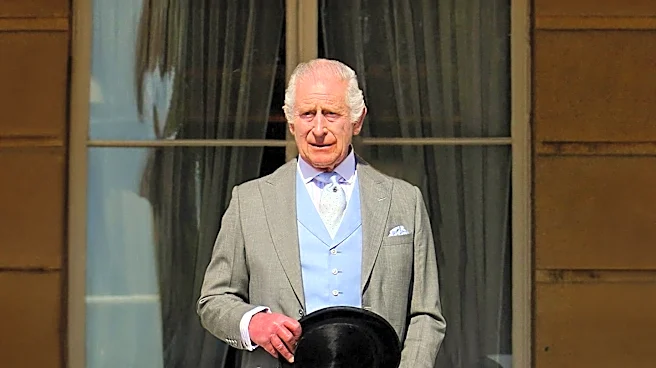
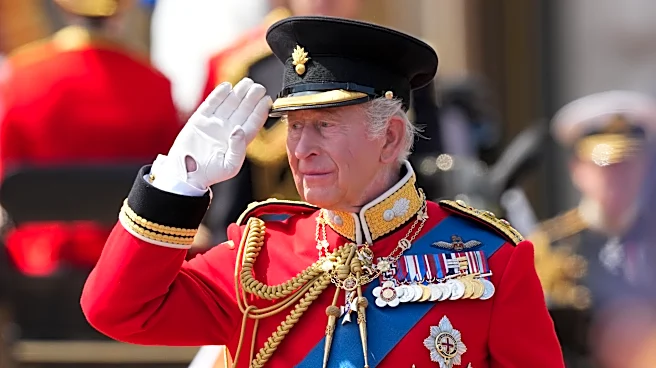
King Charles III has announced that he will not reside at Buckingham Palace following the completion of a 10-year, £369 million refurbishment project. Instead, he and Queen Camilla will continue to live at Clarence House, allowing Buckingham Palace to increase
public access. The palace will remain the ceremonial and operational center of the monarchy. This decision was revealed during a briefing on royal finances, where King Charles also disclosed the taxes he paid, marking the first time a British monarch has done so. The refurbishment aims to update the palace's infrastructure, ensuring it can serve the monarchy for another 50 years.
Why It's Important?
The decision to not reside at Buckingham Palace and increase public access reflects a shift towards modernizing the monarchy and addressing public criticism. By opening the palace to more visitors, the monarchy aims to enhance transparency and public engagement. This move comes amidst efforts to distance the royal family from controversies, such as those involving Andrew Mountbatten-Windsor. The disclosure of King Charles's tax payments further underscores a commitment to transparency, potentially strengthening public trust in the monarchy. The refurbishment and increased access could also boost tourism and economic activity in the area.
What's Next?
As the refurbishment nears completion, further details on how Buckingham Palace will be utilized are anticipated. The increased public access may lead to more events and tours, potentially transforming the palace into a more significant cultural and historical site. Observers are keen to see if additional changes will be made to further modernize the monarchy's public image. The ongoing transparency efforts, including financial disclosures, may continue to shape public perception and the monarchy's role in contemporary society.