

What's Happening?
The International Energy Agency (IEA) has announced that there is currently no need to release emergency oil reserves despite the ongoing conflict in the Middle East, which has disrupted energy markets. The conflict, initiated by U.S. and Israeli strikes
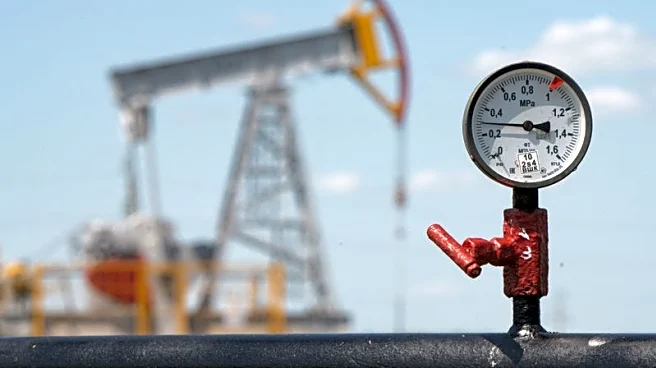
on Iran, has led to a significant increase in oil prices, with Brent crude futures rising above $89 a barrel. This marks the highest level in nearly two years. The IEA's Executive Director, Fatih Birol, stated that global oil supplies remain plentiful, and the impact of the crisis is expected to be temporary. While some IEA member nations, such as Japan, are considering individual measures like releasing their own reserves, the IEA has not planned any collective action at this stage.
Why It's Important?
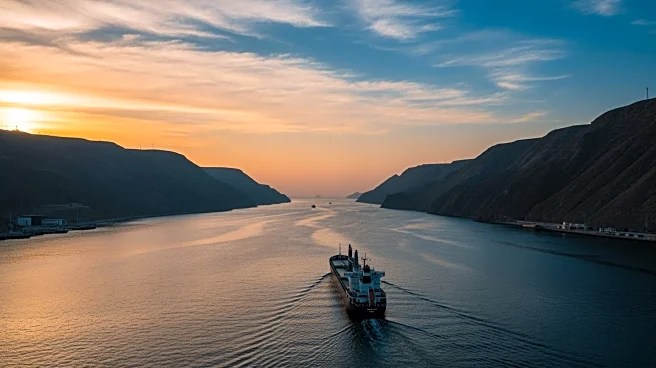
The decision by the IEA not to release emergency oil reserves is significant as it reflects confidence in the current global oil supply despite regional disruptions. The conflict in the Middle East, particularly the halting of shipping through the Strait of Hormuz, has the potential to cause global inflation by driving up energy prices. However, the IEA's stance suggests that the market can absorb these shocks without immediate intervention. This decision impacts global economies, especially those heavily reliant on oil imports, such as the U.S., China, and India. The situation underscores the delicate balance between geopolitical tensions and energy security.
What's Next?
While the IEA has not taken immediate action, the situation remains fluid, and further developments in the Middle East could prompt a reassessment. Countries like Japan may proceed with releasing their reserves independently. The U.S. has also allowed India to increase its purchases of Russian oil temporarily, indicating a strategic shift in response to the crisis. The IEA and its member nations will continue to monitor the situation closely, ready to act if the disruption extends or worsens.