







What's Happening?
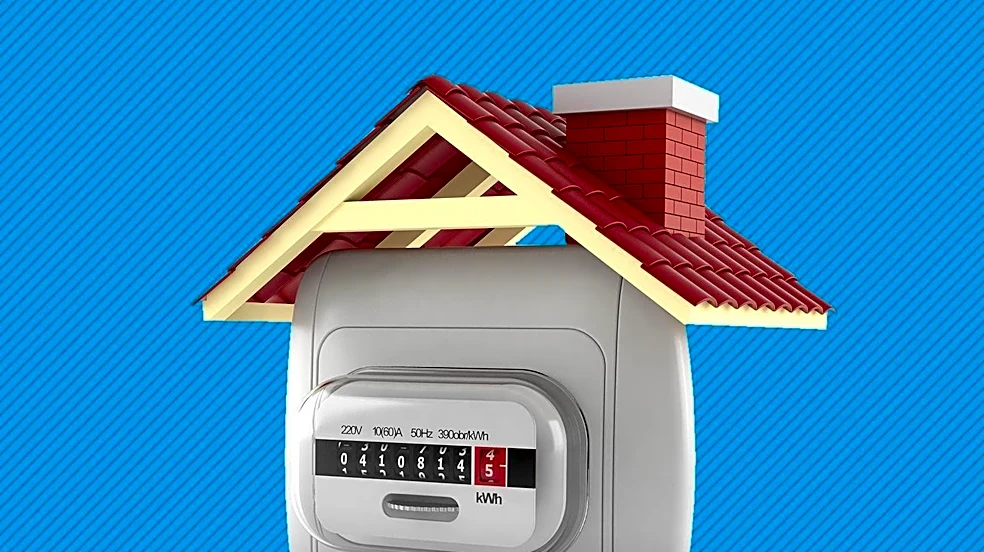
A recent Consumer Reports survey indicates that 81% of Americans who have resided in the same home for at least three years have experienced an increase in their electricity bills. Of those affected, 28% reported bill increases between 20% and 49%, while
26% saw increases of less than 20%, and 6% faced hikes of 50% or more. These rising costs are significantly impacting household finances, particularly for those with annual incomes below $85,000, who are more than twice as likely to report substantial financial strain. The survey also highlighted a general lack of understanding regarding electricity bills among consumers. Factors contributing to these higher costs include utility company profits, increased electricity demand from data centers and AI systems, fluctuations in fossil fuel prices, and the expenses associated with upgrading and repairing energy infrastructure. In North Carolina, regulators are currently reviewing proposed rate increases by Duke Energy, which cites the need to fund infrastructure improvements and manage growing demand, partly due to data centers.
Why It's Important?
The widespread increase in electricity bills across the U.S. has significant implications for household budgets and the broader economy. For many Americans, particularly lower-income families, these rising utility costs are forcing difficult financial decisions, with about one in five reporting cuts to grocery spending or considering such changes. This financial strain can reduce disposable income, potentially impacting consumer spending in other sectors. The lack of transparency and understanding regarding electricity bills, as noted by Consumer Reports, can prevent consumers from identifying potential savings or challenging questionable charges. Furthermore, the rising demand from energy-intensive industries like data centers and AI systems signals a growing challenge for energy grids, potentially leading to further rate increases if infrastructure development does not keep pace. Utility companies, while citing necessary investments, face scrutiny over profit margins and the allocation of costs, which directly affects consumers' financial well-being.
What's Next?
As electricity costs continue to rise, consumers can expect ongoing efforts from advocacy groups like Consumer Reports to push for greater transparency and fairer rates. In regions like North Carolina, regulatory bodies will continue to deliberate on proposed rate increases from utility companies such as Duke Energy, with decisions potentially impacting millions of customers. The outcome of these regulatory reviews will determine the immediate financial burden on households. Additionally, initiatives like 'Electrify the Triangle' aim to assist residents with understanding their bills, identifying incentives for energy efficiency upgrades, and navigating rebate programs. Such partnerships between local governments, community organizations, and energy experts may become more prevalent as communities seek to mitigate the impact of rising energy costs. Utility companies are also likely to enhance customer tools, such as AI-powered bill insights and usage alerts, to help consumers manage their electricity consumption and costs more effectively.
Beyond the Headlines
The escalating electricity costs underscore a complex interplay of technological advancement, infrastructure needs, and economic pressures. The surge in demand from data centers and AI systems highlights a growing tension between technological progress and its environmental and economic footprint. As these technologies become more pervasive, the energy infrastructure will face increasing strain, potentially accelerating the need for significant investments in grid modernization and renewable energy sources. This situation also brings to light ethical considerations regarding the distribution of energy costs, particularly how the burden is shared between industrial consumers and residential households. The confusion surrounding utility bills points to a broader issue of consumer literacy in complex financial and technical domains, suggesting a need for clearer communication from utility providers and more accessible educational resources. Long-term, these trends could drive greater adoption of home energy solutions like solar panels and battery storage, as consumers seek more control over their energy consumption and costs.