






What's Happening?
The former town of Crawford, Michigan, originally settled in 1863, has largely vanished, with only one building remaining as evidence of its past existence. Located 6.5 miles south of Mount Pleasant, Crawford became a post office station in 1877 and developed
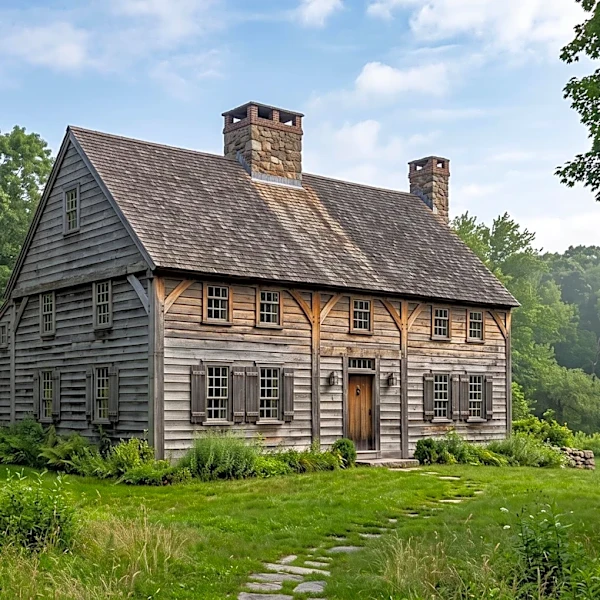
with a general store, steam sawmill, and shoemaker. Its population peaked at 37 residents in 1884. However, the town's progress was hindered by its distance from the nearest railroad depot, which was eleven miles away, and the closure of its post office in 1903. By 1910, the population had dwindled to 25, leading to the eventual departure of most residents, leaving only a few farmhouse families in the surrounding countryside. The sole remaining structure stands on the corner of S. Crawford and E. Blanchard Roads, five miles west of Shepherd, serving as a solitary reminder of the once-established community.
Why It's Important?
The disappearance of Crawford, Michigan, highlights a common historical pattern in the U.S. where small, rural communities, particularly those not connected to major transportation networks like railroads, struggled to sustain themselves. This phenomenon underscores the critical role of infrastructure in economic development and population retention during the late 19th and early 20th centuries. The decline of such towns often resulted in a loss of local commerce, community identity, and historical records, impacting the broader narrative of American settlement and expansion. For current residents in similar remote areas, Crawford's story serves as a historical precedent, illustrating the challenges of maintaining viability without robust economic drivers or accessible transportation links, which continue to be relevant for rural development policies today.
What's Next?
The remaining building in what was once Crawford, Michigan, is likely to continue as a historical landmark, potentially attracting local interest in Michigan's forgotten towns. Efforts by local historical societies or preservation groups might focus on documenting the history of Crawford and similar communities to ensure their stories are not entirely lost. For the surrounding area, the legacy of Crawford could inform discussions on rural planning and the importance of infrastructure investment to prevent similar declines in contemporary small towns. The site may also become a point of interest for historical tourism, offering a tangible connection to Michigan's past settlement patterns and the transient nature of early American communities.
Beyond the Headlines
The story of Crawford, Michigan, reflects a broader theme in American history: the rise and fall of countless small towns that emerged during periods of westward expansion and resource extraction. These 'ghost towns' or near-ghost towns often represent the human cost of economic shifts and technological advancements, such as the advent of the automobile and the decline of local post offices. Beyond mere historical curiosity, they offer insights into the resilience and eventual dispersal of communities, raising questions about the sustainability of isolated settlements. The single remaining building serves as a poignant symbol of impermanence and the relentless march of time, prompting reflection on how modern society values and preserves its historical footprints, especially those of less prominent communities.