




What's Happening?
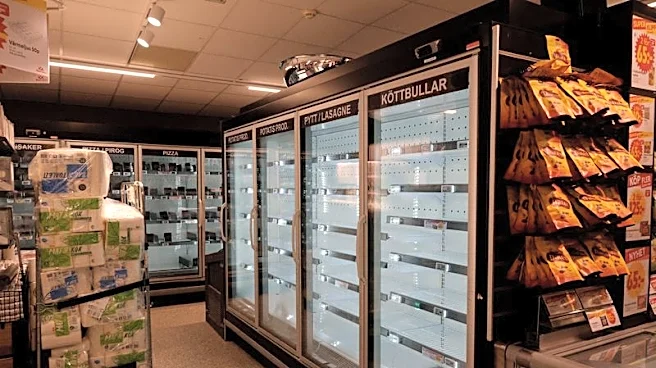
Cybersecurity researchers detected hackers probing internet-connected refrigeration systems across Europe weeks before a series of cyberattacks disrupted supermarkets and blood banks. These incidents, occurring on November 2 and 3, affected refrigeration systems in supermarkets across nine
European countries and several blood banks in France. Hackers exploited weak cybersecurity and vulnerabilities in Danfoss’s AK-SM refrigeration system manager, setting fridges and freezers to defrost or raising temperatures to as high as 50 degrees Celsius. This forced many grocery stores to discard spoiled produce. Cybersecurity firm Lupovis observed a period of reconnaissance between October 20 and 30, with over 276 attempts from 91 different threat actors targeting specific components of Danfoss controllers. These probes involved attempts to use default passwords and exploit known vulnerabilities. The attacks highlight how easily cyberattacks can disrupt daily life by targeting critical infrastructure systems.
Why It's Important?
These cyberattacks underscore the significant vulnerability of critical infrastructure, particularly internet-connected operational technology (OT) systems that are often overlooked in cybersecurity strategies. The disruption to supermarkets and blood banks demonstrates the immediate and tangible impact such attacks can have on public services and daily life, leading to economic losses from spoiled goods and potential public health risks. The reliance on basic security weaknesses, such as default passwords and unpatched vulnerabilities, indicates a widespread failure in implementing fundamental cybersecurity practices within the retail and healthcare sectors. This incident serves as a stark warning that similar vulnerabilities could exist in other connected systems, from building management to industrial control systems, posing broader threats to national security and economic stability. The potential involvement of state actors, as suggested by some researchers, elevates the concern, indicating a sophisticated and coordinated effort to disrupt European infrastructure.
What's Next?
The immediate next steps involve cybersecurity agencies across Europe continuing their investigations to identify the perpetrators and their motivations. Organizations operating internet-connected refrigeration and other OT systems are expected to review and strengthen their cybersecurity protocols, focusing on patching vulnerabilities, enforcing strong password policies, and segmenting critical systems from public networks. Manufacturers like Danfoss may also face increased scrutiny to enhance the security of their products. There will likely be a push for greater awareness and investment in cybersecurity for physical infrastructure, moving beyond traditional IT systems. Regulatory bodies, such as the European Union’s Agency for Cybersecurity (ENISA), may issue updated guidelines or recommendations to improve resilience against such attacks. The incident could also prompt discussions on international cooperation to combat state-sponsored cyber threats and enhance information sharing among affected countries.
Beyond the Headlines
This series of cyberattacks reveals a deeper systemic issue regarding the security of the Internet of Things (IoT) and operational technology (OT) devices. Many of these systems are deployed with inadequate security measures, often using default credentials or lacking regular updates, making them easy targets. The incident highlights a critical gap in how organizations perceive and manage cybersecurity risks for physical infrastructure compared to traditional IT systems. The potential for AI to accelerate the discovery and exploitation of vulnerabilities further complicates the landscape, as manufacturers may struggle to patch and deploy updates at the pace of emerging threats. This raises ethical questions about manufacturer responsibility for securing connected devices throughout their lifecycle and the broader societal responsibility to protect critical infrastructure. The attacks also expose the interconnectedness of modern society, where a vulnerability in one system can have cascading effects across multiple sectors, emphasizing the need for a holistic and proactive approach to cybersecurity.