




What's Happening?
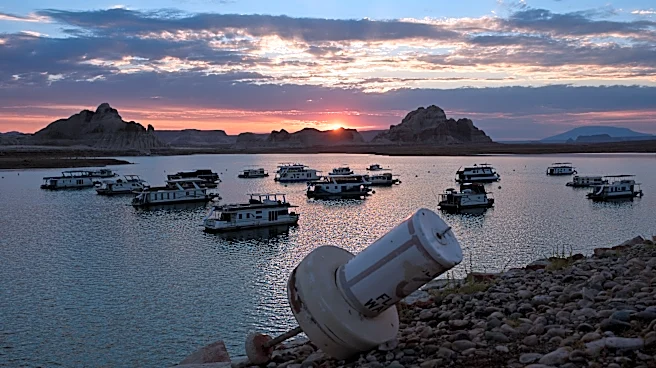
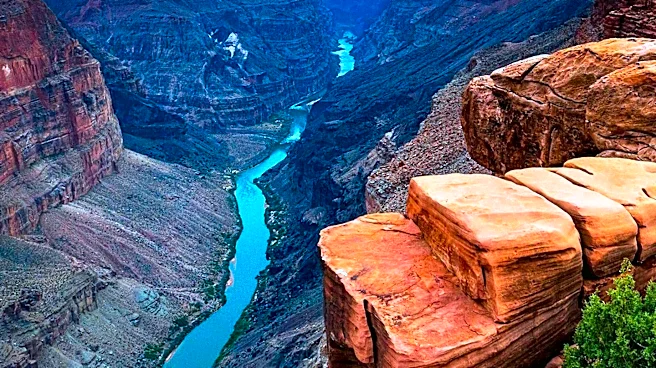
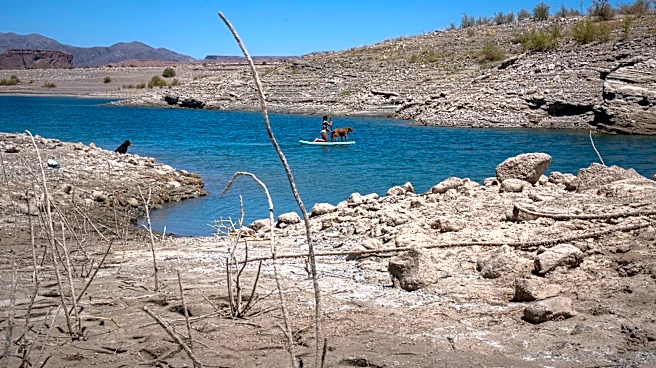
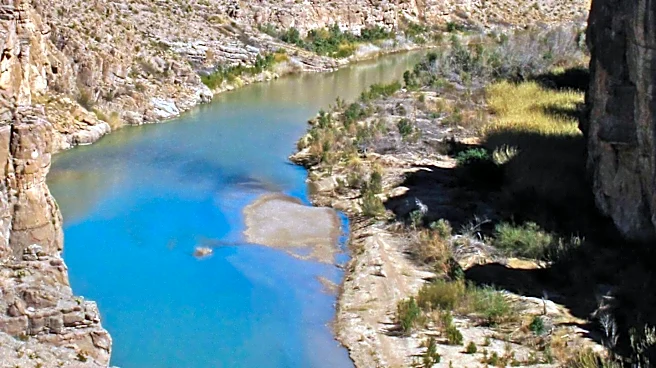
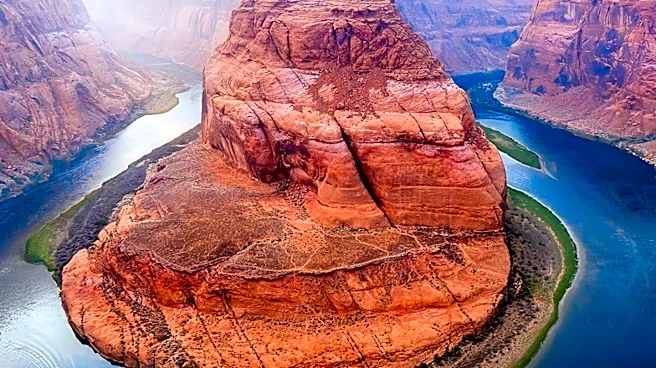
The U.S. government has unveiled a plan to manage the Colorado River crisis, proposing significant water cuts for California, Arizona, and Nevada. The plan aims to address the over-allocation of water rights and the declining levels of Lake Powell and Lake Mead,
the river's two largest reservoirs. The proposal spares the upper basin states of Colorado, Utah, New Mexico, and Wyoming from immediate cuts. The plan is part of a 10-year framework that allows for adjustments based on changing conditions, with decisions made every two years. The federal government is expected to release a detailed record of decision soon.
Why It's Important?
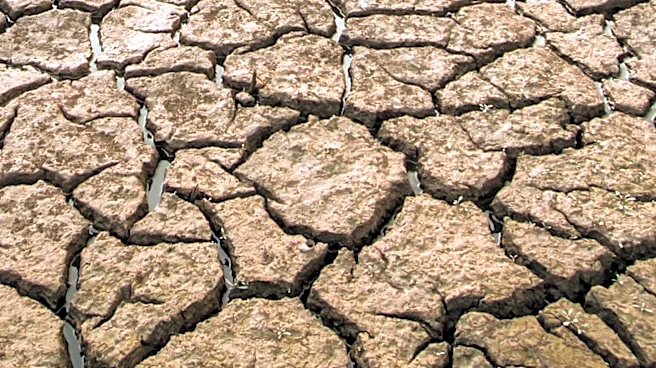
The Colorado River is a critical water source for 40 million people and vast agricultural areas in the western U.S. The proposed cuts highlight the urgent need to address water scarcity exacerbated by climate change and overuse. The plan's implementation could significantly impact agriculture, urban water supply, and regional economies. It underscores the challenges of balancing water rights and environmental sustainability in a region facing prolonged drought and increasing demand.
What's Next?
The federal government will finalize the operational details of the plan, which may face legal challenges from affected states. Stakeholders will need to negotiate long-term solutions to ensure sustainable water management. The plan's success will depend on cooperation among states and the ability to adapt to evolving hydrological conditions. Ongoing discussions may lead to further policy changes and investments in water conservation and infrastructure.