



What's Happening?
Honda is facing a class-action lawsuit in Canada, filed by Quebec-based law firm Lex Group Inc., concerning an alleged defective design in the rear-glass system of certain Honda and Acura models. The lawsuit, filed on July 17 in the Superior Court of Quebec,
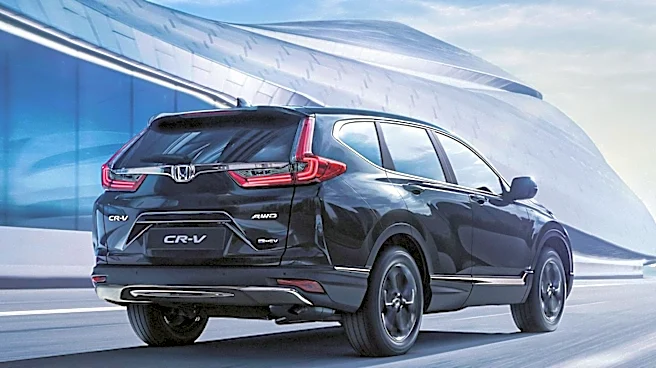
claims that the rear glass is prone to breaking or shattering without external impact. Affected models include the 2019-2023 Acura RDX, 2023-2024 Honda CR-V, and 2023-2024 Honda HR-V. The lawsuit alleges that Honda marketed these vehicles as safe and reliable despite being aware of the design flaw, citing numerous complaints and media reports in both the U.S. and Canada. Honda has not issued a recall in Canada to address this issue, and a similar lawsuit has been filed in the U.S. over these allegations.
Why It's Important?
This class-action lawsuit highlights significant consumer safety and product liability concerns for Honda in North America. The alleged defect, where rear glass can shatter unexpectedly, poses a direct safety risk to vehicle occupants and others on the road. The fact that a similar lawsuit exists in the U.S. suggests a widespread issue that could impact a substantial number of Honda and Acura owners across both countries. If the allegations are proven, Honda could face considerable financial penalties, reputational damage, and the potential need for extensive recalls and repairs. For consumers, this lawsuit underscores the importance of product safety and the legal avenues available when manufacturers allegedly fail to address known defects, potentially affecting their trust in the brand and the broader automotive market.
What's Next?
The Canadian class-action lawsuit will proceed through the legal system, with the initial step being certification. If certified, eligible Canadian residents who own, purchased, or leased the specified Honda and Acura models could potentially receive compensation. Honda Canada has stated they cannot comment on the matter as it is before the courts. The outcome of this lawsuit, and the similar one in the U.S., could compel Honda to issue recalls, implement design changes, or offer settlements to affected customers. Consumers who believe they are affected by this issue are advised to monitor updates from the law firm and Honda, and potentially register for updates on the class-action website. The legal proceedings will determine the extent of Honda's liability and the remedies provided to consumers.
Beyond the Headlines
Beyond the immediate legal and financial implications, this case could influence how automotive manufacturers approach product design, testing, and transparency regarding potential defects. The allegations suggest a failure to disclose a known flaw, which could lead to increased scrutiny from regulatory bodies and consumer advocacy groups. This situation might also prompt a re-evaluation of internal reporting mechanisms within automotive companies to ensure that safety concerns are addressed promptly and effectively. Furthermore, it could set a precedent for future product liability cases in the automotive industry, emphasizing the importance of proactive measures to ensure vehicle safety and maintain consumer trust, especially in a highly competitive market where safety is a key differentiator.